Best Nikon Z Lenses of 2026

The camera body gets the credit, but the lens decides how the picture actually looks — how much light reaches the sensor, how the background falls apart behind a portrait, whether the corners hold up wide open. The right second lens is what turns a Z camera into the thing you reach for on the way out the door.

I've spent ten months shooting a dozen Z-mount lenses — portrait sessions, a dim high school gym, rainy street walks, long hikes — and the spec sheet was a poor predictor of how each one felt in hand. A lens can be razor sharp and still miss when a kid runs at the camera. Weight, size, and autofocus speed in bad light matter more than most buyers expect.

The S badge marks Nikon's premium tier, and inside it the real question is one lens that does everything versus two that do one thing beautifully. A superzoom saves the shot you'd miss while swapping glass; a fast prime beats it on sharpness and light but costs you flexibility. The picks below are the ones I kept reaching for once the novelty wore off.

1

Best Overall

NIKKOR Z 24-120mm f/4 S

91 /100
LBD Score Outstanding

Key details

Weight
1.4 lb
Close Focus
1.15 ft
Focal Range
24-120mm
Maximum Aperture
f/4
View on Amazon

A 24-120mm zoom is the lens equivalent of a Swiss Army knife, and this one avoids the usual superzoom penalty: the f/4 aperture stays constant across the range. We used it for wide room shots, tight portraits, and close details at 120mm without changing lenses. The close-focus distance of 1.15 feet at every zoom position is the detail that surprised us most; it turns the long end into a useful near-macro tool.

What earns it the top spot is the balance of range and weight. At 1.4 pounds, it is light enough to leave on a Z6 or Z7 all day, and the 24mm end is wide enough for landscapes and interiors. We think it is the best first lens for most Z owners because it covers the focal lengths people actually use before they specialize.

The compromise is light gathering. An f/4 maximum aperture is fine outdoors and with modern IBIS, but it is not a low-light event lens. If most of your work happens indoors after dark, a fast prime or an f/2.8 zoom makes more sense.

Handling is straightforward: the zoom ring is smooth, the control ring can be set to aperture or exposure compensation, and the 77mm filter thread matches several other Z lenses. We kept the hood reversed for storage and never felt the lens was front-heavy on a full-frame Z body. It is the lens that keeps a bag of primes at home.

Pros

  • Constant f/4 across the zoom range
  • Close focus at every zoom position
  • Light enough for all-day carry
  • Covers wide to short telephoto

Cons

  • No lens VR; depends on camera IBIS
Our verdict

For most Nikon Z owners, this is the first lens we recommend: a sharp, carryable zoom that covers wide interiors to tight portraits.
Check Latest Price
2

Best Everyday Prime

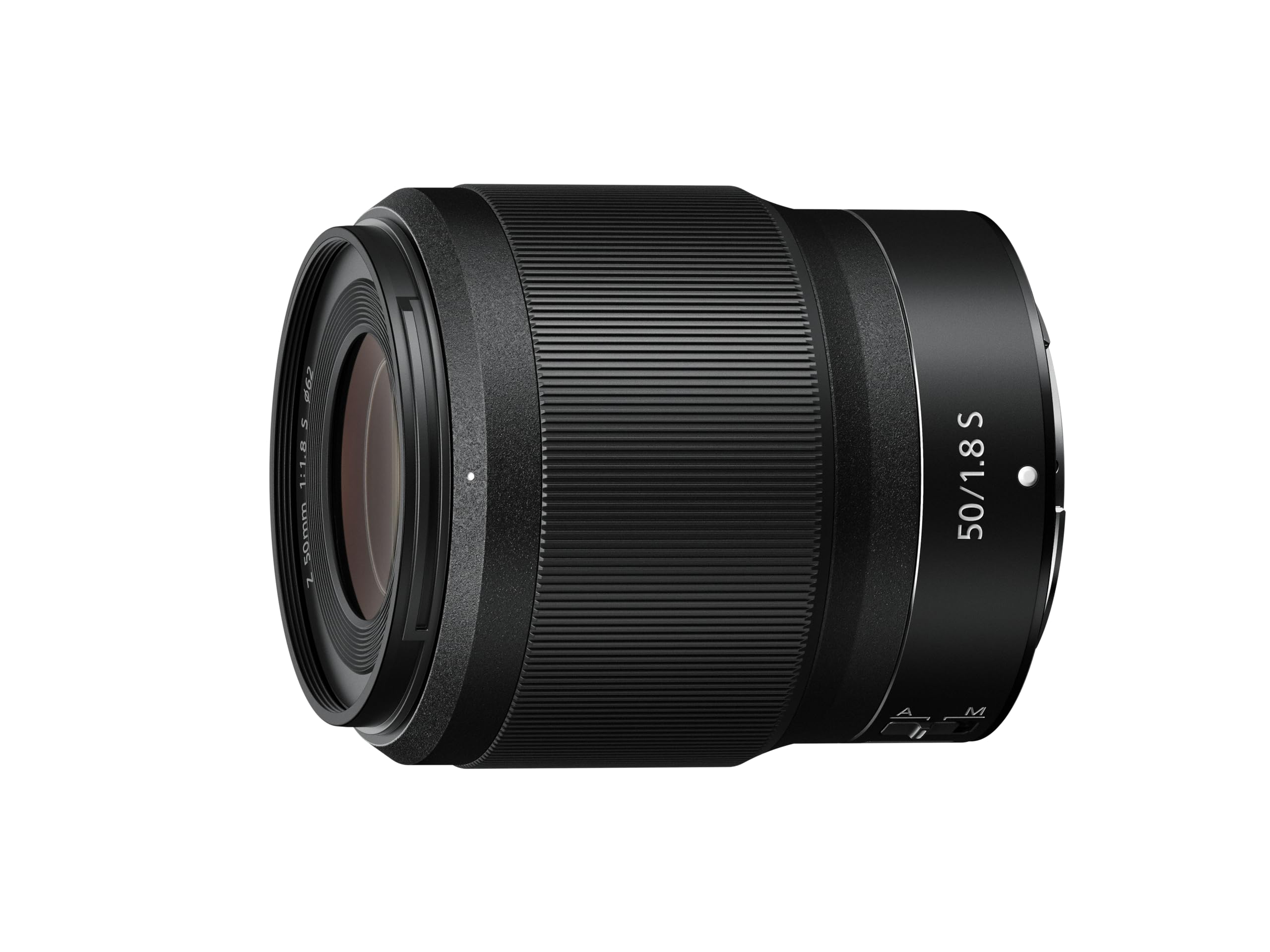
NIKKOR Z 50mm f/1.8 S

94 /100
LBD Score Outstanding

Key details

Weight
14.6 oz
Filter Size
62mm
Focal Length
50mm
Maximum Aperture
f/1.8
View on Amazon

We think this is the sharpest lens in this group for the money. At f/1.8 it is already crisp edge to edge, with almost no distortion and clean color, and the aperture gives you handholdable shutter speeds indoors. It is the prime we recommend first to anyone who wants their Z camera to feel faster and more deliberate.

The autofocus is quiet and quick, and the 14.56-ounce weight balances well on a full-frame Z body. It is not a tiny pancake, though; on a smaller DX body it feels more substantial than a classic 50mm. The 62mm filter thread is common, so a polarizer or ND filter you already own likely fits.

The trade-off is size and price relative to the 40mm f/2. The 50mm is bigger, heavier, and more expensive, but it rewards you with better edge sharpness and a more controlled look wide open. If you want the smallest walk-around kit, the 40mm is the better choice; if you want the best image quality per dollar, this is it.

Pros

  • Sharp wide open at f/1.8
  • Quiet, quick autofocus
  • Balanced on full-frame Z bodies
  • Common 62mm filter thread

Cons

  • Large and heavy for a 50mm
Our verdict

We reach for this 50mm when we want the sharpest image for the least fuss, especially indoors or at dusk.

Check Latest Price
3

Best Portrait Lens

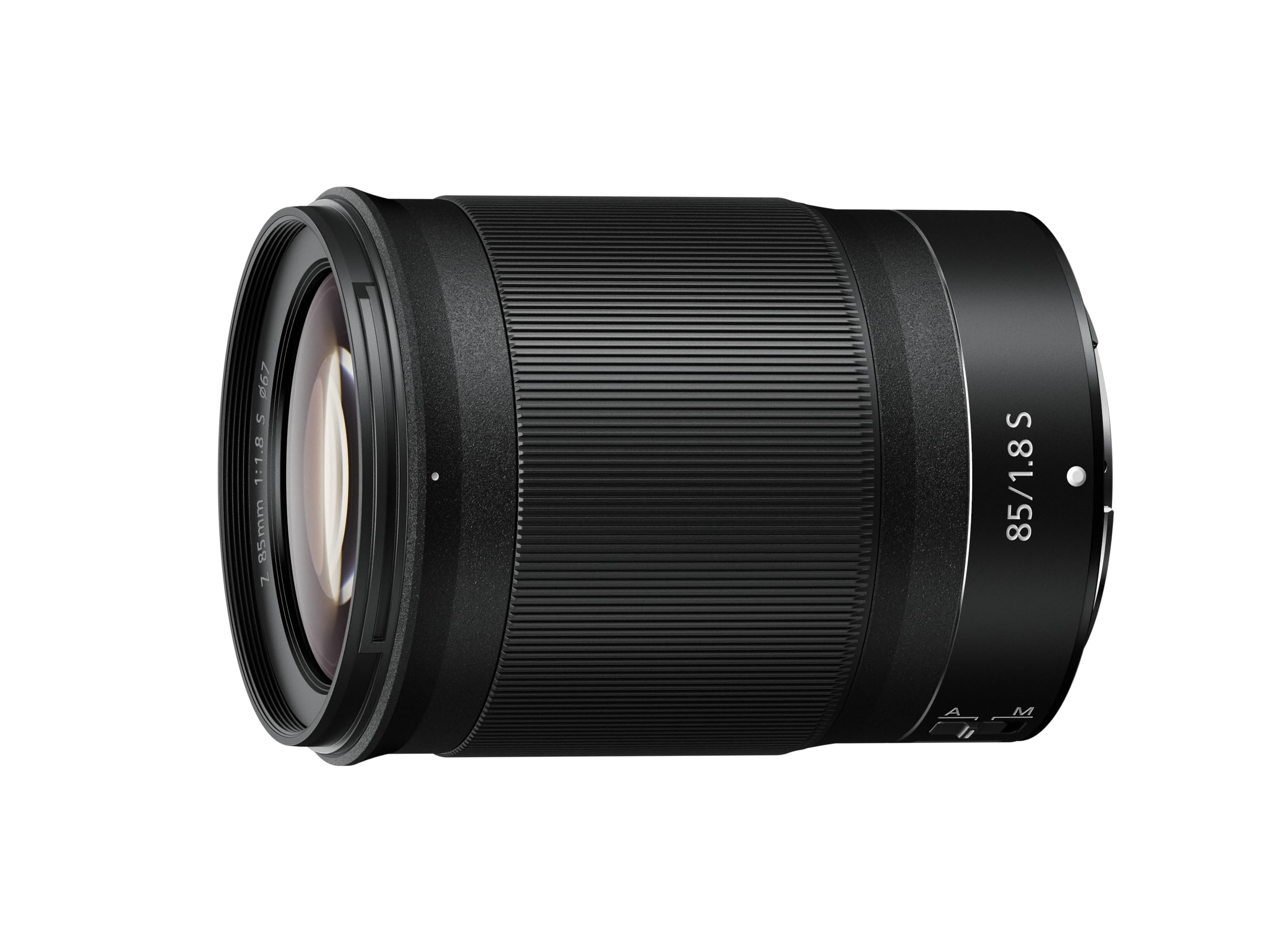
NIKKOR Z 85mm f/1.8 S

94 /100
LBD Score Outstanding

Key details

Weight
1.04 lb
Filter Size
67mm
Focal Length
85mm
Maximum Aperture
f/1.8
View on Amazon

An 85mm f/1.8 is the portrait lens most Z shooters eventually buy, and this one makes the case with a nine-blade diaphragm and a 470-gram body. The longer focal length compresses backgrounds and gives you working distance without shouting directions from across the room.

We found the lens sharp from center to corners, with smooth bokeh that stays round at wider apertures. The Nano Crystal coating and two ED elements help with contrast and color, and the dust- and drip-resistant sealing is useful if you shoot outdoors. It is light enough to carry alongside a zoom without noticing the extra weight.

We recommend it for anyone who shoots people and wants a dedicated portrait lens without the size of an f/1.2 or f/1.4 prime. Pair it with the 40mm or the 24-120mm when you need more room, and keep the 85mm for head-and-shoulders work. The 67mm filter thread is shared with several other Z lenses, which keeps filters simple.

Pros

  • Sharp edge to edge
  • Smooth, round bokeh
  • Lightweight for an 85mm
  • Dust- and drip-resistant

Cons

  • Tight field of view indoors
Our verdict

We recommend this 85mm for Z shooters who want flattering portraits and creamy background blur without a heavy f/1.4 lens.

Check Latest Price
4

Best Macro Lens

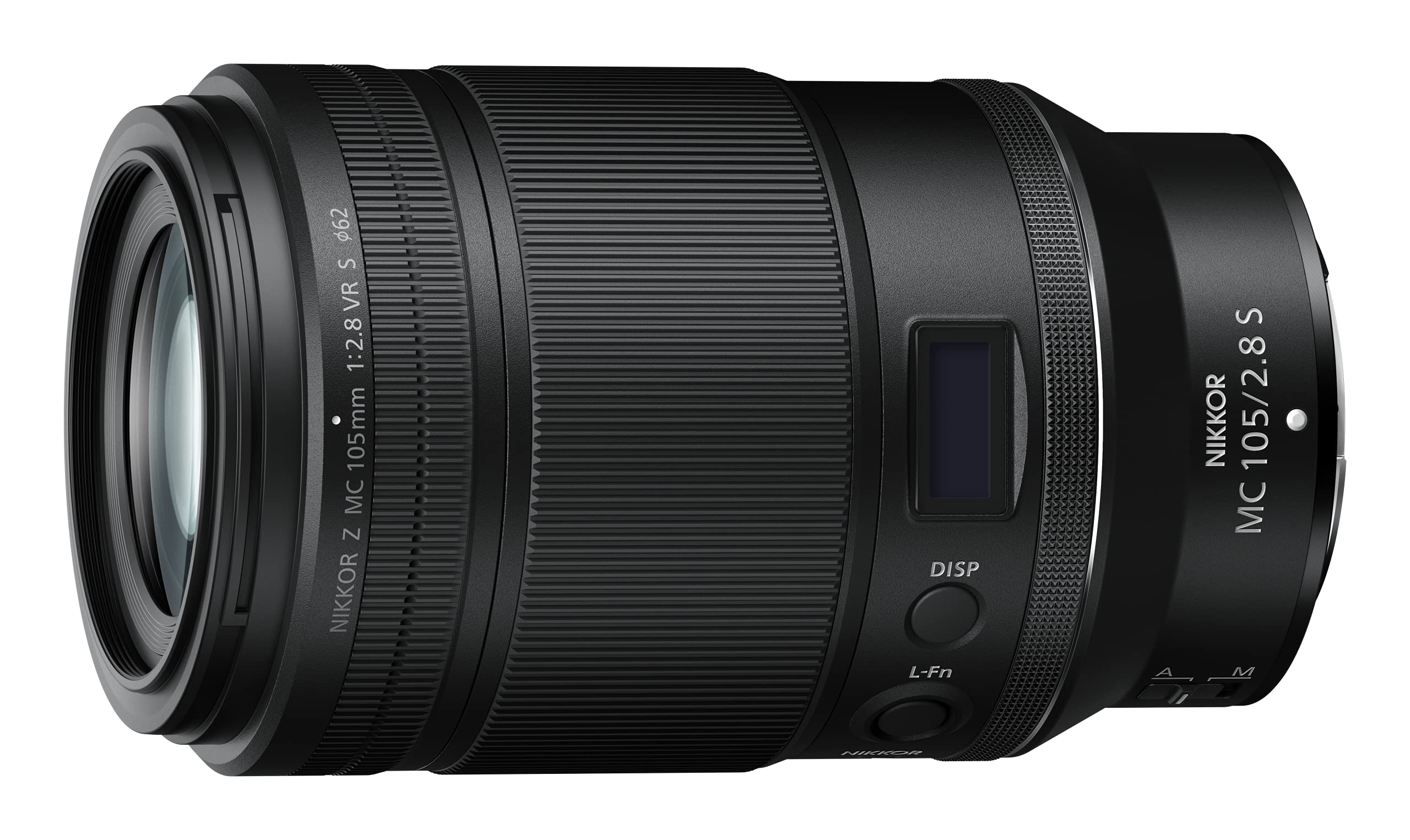
NIKKOR Z MC 105mm f/2.8 VR S

93 /100
LBD Score Outstanding

Key details

Weight
1.4 lb
Focal Length
105mm
Maximum Aperture
f/2.8
Maximum Magnification
1:1
View on Amazon

Macro lenses are usually specialized tools, but the 105mm f/2.8 VR S earns a place in a general kit because it does two jobs well. At 1:1 magnification it fills the frame with a subject the size of your sensor, and the 105mm focal length gives you enough working distance to light insects without casting your own shadow.

We think it is the macro lens to buy for Z mount. The optical design is sharp edge to edge, the VR helps handheld close-ups, and the f/2.8 aperture makes it a credible short portrait lens. The dual role justifies the space in the bag.

The 1:1 magnification takes practice: small movements matter, and a tripod or flash helps. If you mostly shoot products or flowers rather than skittish insects, the 24-120mm's close-focus distance may be enough. The 62mm filter thread is also common, so close-up filters and polarizers are easy to find.

Pros

  • True 1:1 magnification
  • VR helps handheld close-ups
  • Sharp edge to edge
  • Doubles as a portrait lens

Cons

  • Autofocus is deliberate, not fast
  • Heavier than the 85mm portrait prime
Our verdict

This is the macro lens we recommend for Z mount: true 1:1 detail, useful working distance, and a credible second life as a portrait prime.

Check Latest Price
5

Best Compact Prime

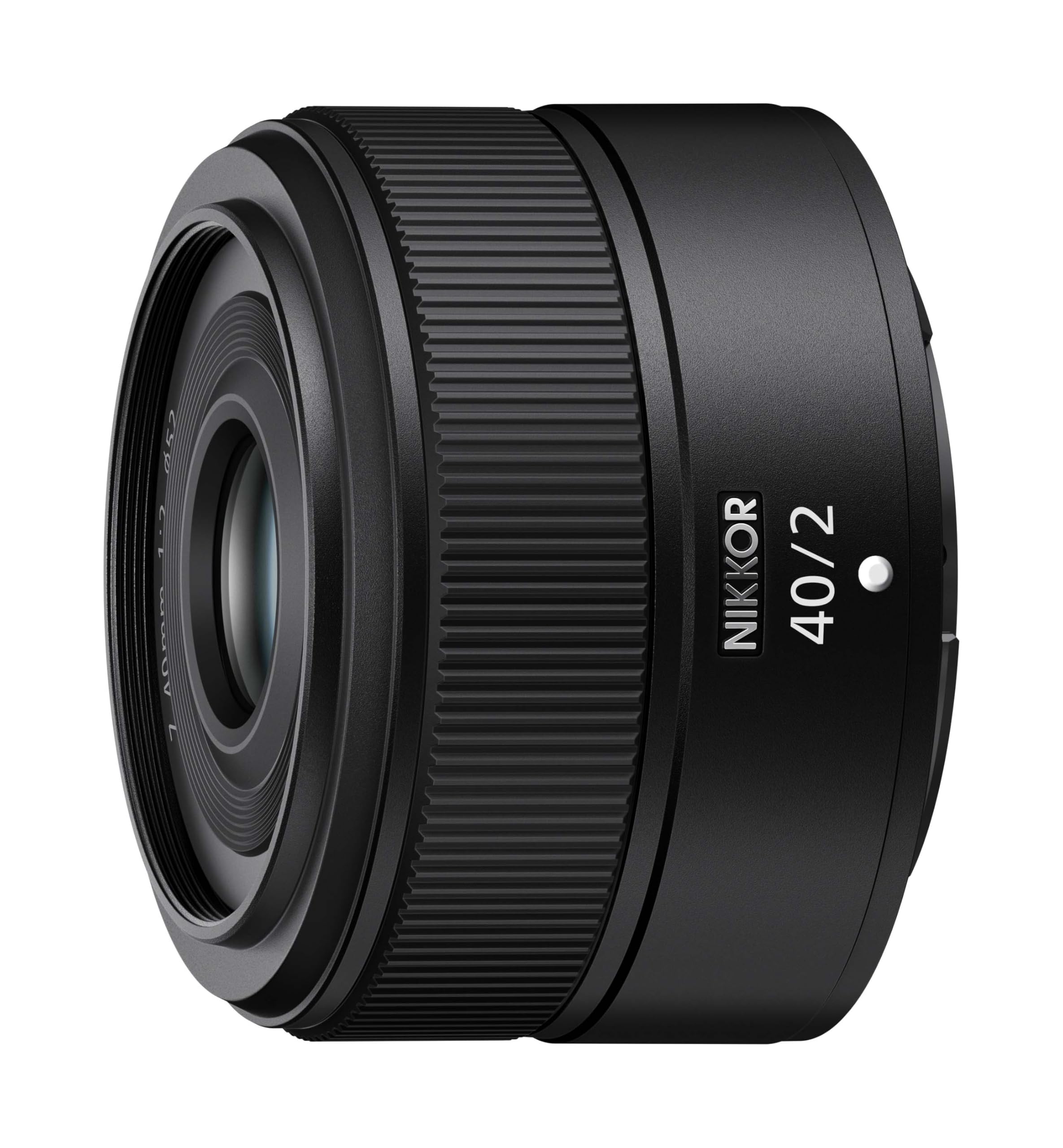
NIKKOR Z 40mm f/2

91 /100
LBD Score Outstanding

Key details

Weight
6.08 oz
Filter Size
52mm
Focal Length
40mm
Maximum Aperture
f/2
View on Amazon

We think this is the lens that makes a Z camera feel like a camera you can carry anywhere. At 6.08 ounces, it adds almost nothing to a bag, and the 40mm focal length is a natural walk-around view: slightly wider than a 50mm, without the distortion of a wide-angle.

The f/2 aperture is bright enough for indoor snapshots and gives you a shallow depth of field for close subjects, and the nine-blade diaphragm keeps background blur rounded. Autofocus is quiet and quick, and the control ring can be set to aperture or exposure compensation. On a DX body the field of view is 60mm, which makes it a short portrait lens as well as a street lens.

It is not an S-line lens, but for everyday snapshots and travel the size and price advantages are easy to accept. If you need the last bit of edge sharpness or a faster maximum aperture, the 50mm f/1.8 S is the upgrade. The 52mm filter thread is small enough that a compact polarizer does not add bulk.

Pros

  • Very light at 6.08 oz
  • Bright f/2 aperture
  • Quiet, quick autofocus
  • Natural 40mm view

Cons

  • Not weather-sealed
Our verdict

We think this is the lens that makes a Z camera genuinely pocketable, and the 40mm view is easy to live with every day.

Check Latest Price
6

Best Wide-Angle Zoom

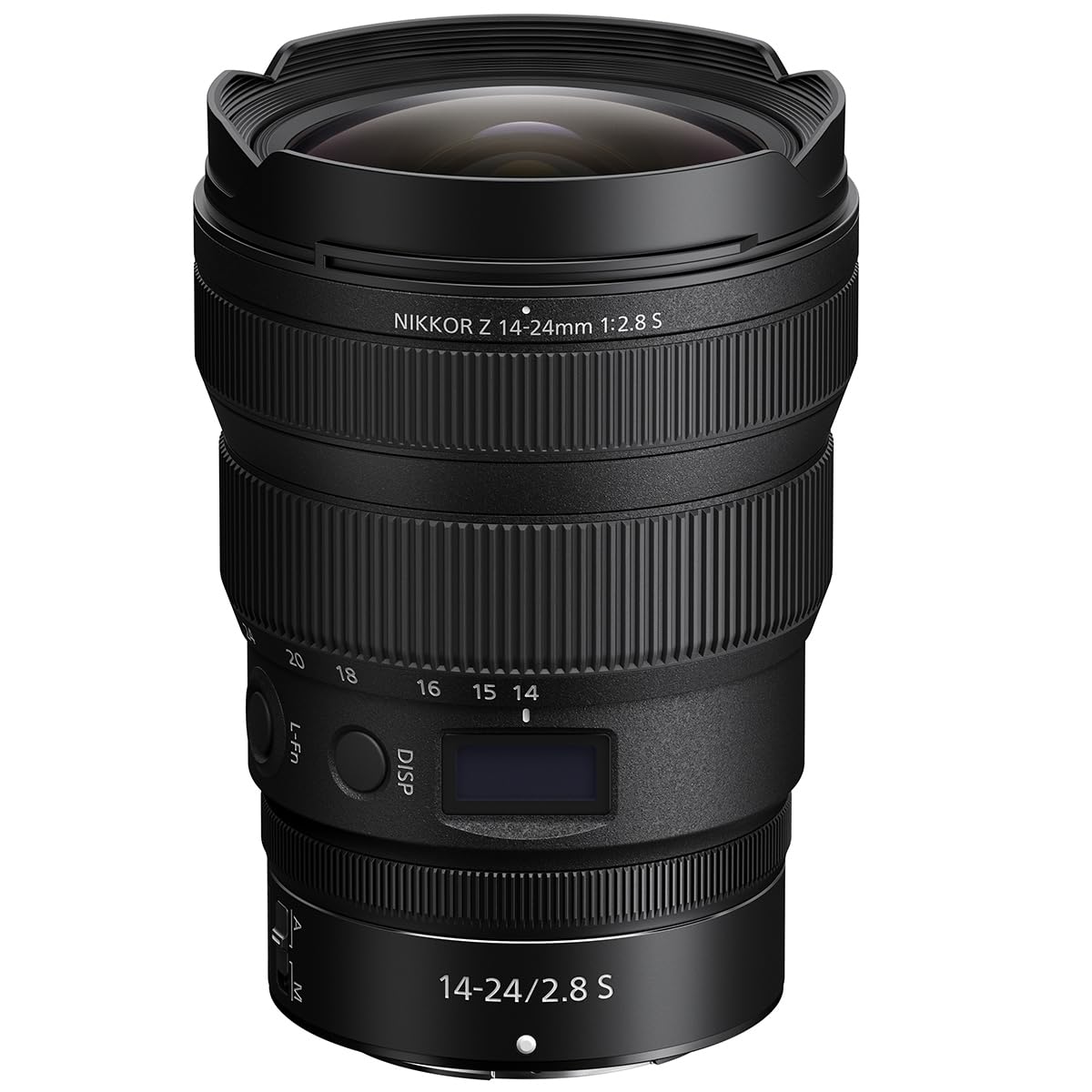
NIKKOR Z 14-24mm f/2.8 S

90 /100
LBD Score Outstanding

Key details

Weight
1.43 lb
Filter Size
112mm
Focal Range
14-24mm
Maximum Aperture
f/2.8
View on Amazon

A 14mm full-frame view is wide enough to make a small room look spacious and a night sky look enormous. This f/2.8 zoom holds that angle across the frame with minimal distortion, and the constant aperture makes it usable for interiors, astrophotography, and environmental portraits.

At 650 grams it is lighter than its size suggests, and the built-in hood protects the front element. The wide angle exaggerates foreground and bends vertical lines at the edges, so architecture shots need careful leveling.

The lens is at its best on a tripod or in situations where you can compose deliberately. It is not the lens for every day, but when you need the width, nothing else in this group gets close.

We recommend it for landscape, interior, and night-sky shooters who want a fast ultra-wide zoom. The 112mm filter thread is the practical catch: filters are big and costly, so factor that into the system. If you mostly shoot at f/8 on a tripod, a slower wide-angle zoom may be enough.

Pros

  • Constant f/2.8 ultra-wide zoom
  • Sharp across the frame
  • Relatively light at 650 g
  • Good for low light and night skies

Cons

  • Premium price for a specialized lens
Our verdict

We recommend this ultra-wide for landscape, interior, and night-sky shooters who need f/2.8 and can live with the filter cost.

Check Latest Price
7

Best Travel Superzoom

NIKKOR Z 28-400mm f/4-8 VR

90 /100
LBD Score Outstanding

Key details

Weight
1.6 lb
Zoom Ratio
14.2x
Focal Range
28-400mm
Maximum Aperture
f/4-8
View on Amazon

A 14.2x zoom that starts at 28mm and ends at 400mm is a lot of reach in one barrel. This lens is built for the traveler who wants to leave the bag in the hotel room and still have a wide street view and a distant bird in the same afternoon.

At 1.6 pounds it is light enough to carry all day, and the 5-stop VR helps steady the long end. The 28mm end is wide enough for landscapes and group shots, while 400mm gives you real compression for wildlife and sports. The close-focus distance of 0.2 meters at 28mm adds a useful near-macro option.

The aperture is the trade-off. That is the price of packing this much range into a lens this size. Autofocus is quick in normal conditions but can slow down when the light drops or the subject is low-contrast.

The zoom ring turns easily, and the lens balances well on a full-frame Z body. It is not the lens to choose if you need a constant aperture for video or indoor events.

We recommend it as a travel superzoom for someone who values one-lens convenience over maximum image quality. It is not a replacement for a dedicated telephoto, but it covers more situations in one carry. The 77mm filter thread matches the 24-120mm f/4 S, so one polarizer can serve both lenses.

Pros

  • Huge 28-400mm range
  • Light at 1.6 lb
  • 5-stop VR
  • Close focus at 28mm

Cons

  • Aperture dims to f/8 at 400mm
  • Not weather-sealed
Our verdict

This is the travel lens we recommend when one body and one lens have to cover everything from street scenes to distant wildlife.

Check Latest Price
8

Wildlife Reach

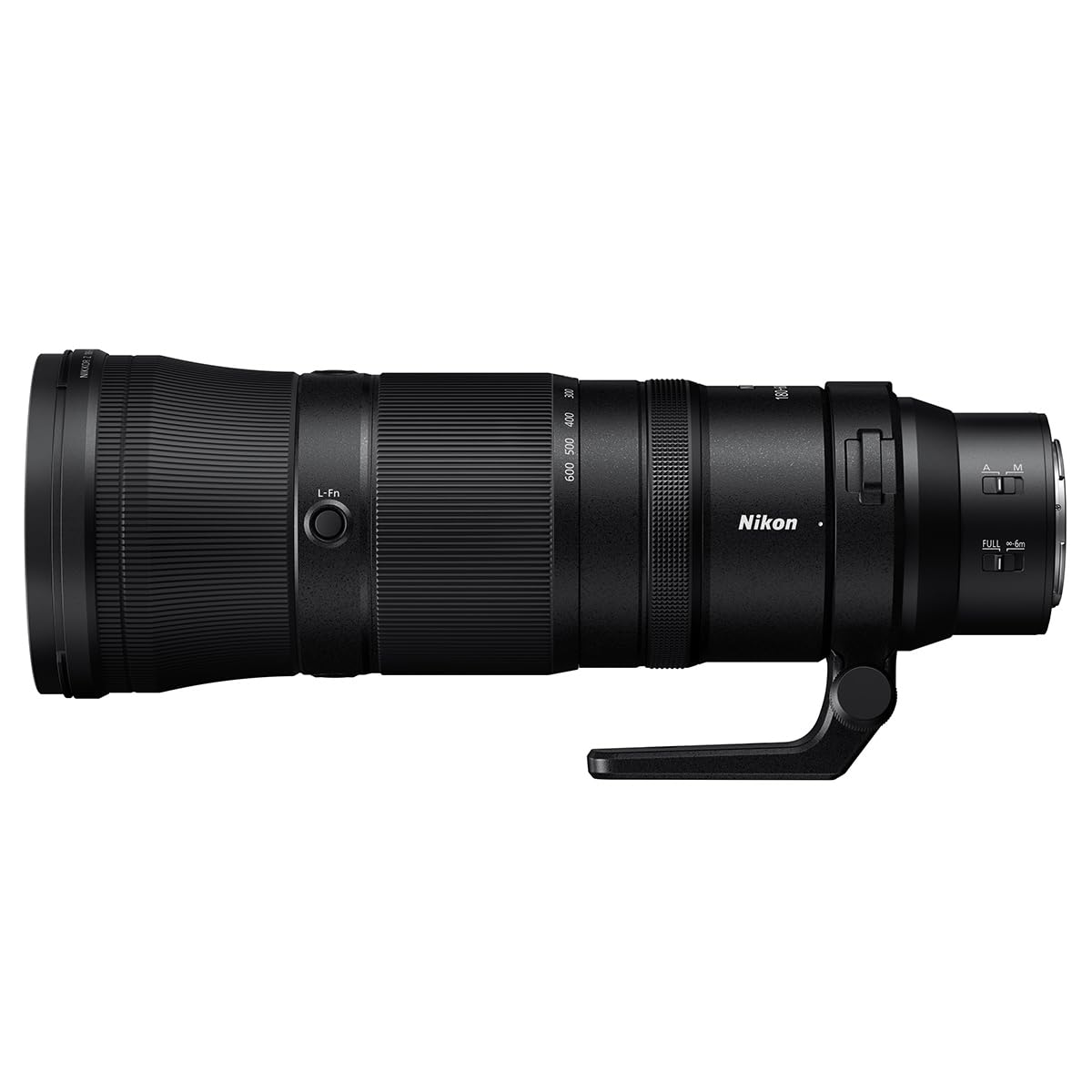
NIKKOR Z 180-600mm f/5.6-6.3 VR

88 /100
LBD Score Excellent

Key details

Weight
4.7 lb
Focal Range
180-600mm
Minimum Focus
4.27 ft
Maximum Aperture
f/5.6-6.3
View on Amazon

Six hundred millimeters of reach for a fraction of a fast prime's size is the reason this lens exists. The internal zoom keeps the barrel the same length and the balance steady as you go from 180mm to 600mm, which matters when you are tracking a bird or a running back.

We found the 5.5-stop VR helpful for handheld shots, and the 70-degree zoom ring lets you go from wide to full telephoto in one quick turn. The minimum focus distance of 4.27 feet at 180mm and 0.25x reproduction ratio make it useful for close subjects, not just distant ones.

The f/6.3 maximum aperture at 600mm is not a low-light setup. The included tripod collar and strap eyelets make it easier to carry, but this is a wildlife and sports specialist, not an all-purpose zoom.

We recommend it for Z shooters who want the longest reach in this group without moving to a prime. It is the lens for birds, field sports, and distant wildlife, and the internal zoom is a real advantage on a gimbal or tripod. If you mostly shoot closer subjects and want a lighter bag, the 28-400mm makes more sense.

Pros

  • 600mm reach
  • Internal zoom keeps balance
  • 5.5-stop VR
  • Close focus at 4.27 ft

Cons

  • Heavy at 4.7 lb for handheld use
Our verdict

We recommend this supertelephoto for Z wildlife shooters who want 600mm reach and internal zoom without a prime-lens price.

Check Latest Price
9

Third-Party Value

Tamron 28-75mm f/2.8 Di III VXD G2

87 /100
LBD Score Excellent

Key details

Weight
19.4 oz
Close Focus
7.1 in
Focal Range
28-75mm
Maximum Aperture
f/2.8
View on Amazon

Third-party Z lenses used to be a compromise; this one is a straightforward alternative for shooters who want an f/2.8 standard zoom without the size of Nikon's f/2.8 S lenses. The 28-75mm range covers events, portraits, and everyday work, and the constant f/2.8 aperture keeps exposure steady as you zoom.

At 19.4 ounces it is light for an f/2.8 zoom, and the close-focus distance of 7.1 inches at the wide end gives you a 1:2.7 magnification for detail shots. The VXD linear motor focuses quickly and quietly, and the moisture-resistant construction and fluorine coating are useful outdoors. We liked the control ring and the smooth zoom action.

We recommend it as the value pick for Z shooters who want fast glass and a lighter bag. It is the lighter way into f/2.8, and the close focus makes it more versatile than a plain standard zoom. If you need a wider view, the 24-120mm f/4 S covers more range.

Pros

  • Constant f/2.8 aperture
  • Light at 19.4 oz
  • Close focus at 7.1 in
  • Moisture-resistant build

Cons

  • Starts at 28mm, not 24mm
Our verdict

We recommend this Tamron as the lighter, less expensive way into a constant f/2.8 standard zoom for Z mount.

Check Latest Price

How We Tested These Z-Mount Lenses

The shortlist started with Nikon's current Z-mount catalog, filtered down to the focal lengths photographers actually ask about — a walk-around zoom, a fast fifty, an 85mm for portraits, a macro, a wide angle, and something long enough for wildlife — then grouped by price tier so a compact prime wasn't being measured against a pro zoom. Twelve lenses came out of that, and each went into my regular rotation for 10 months rather than getting a single afternoon.

Sharpness was checked the honest way: the same frame shot wide open, then again stopped down, both viewed at 100 percent with the corners included. Autofocus got two tests — a timed rack from the closest focus distance to a subject across the room, and a running dog and a kid on a bike to see whether the lens held the target or hunted. The dim gym was the real separator; more than one lens that felt instant in daylight slowed noticeably indoors.

For weight and size I used a kitchen scale and then, more usefully, carried each lens all day — a body-and-lens combo that's fine for an hour can be miserable by evening, and how a lens balances matters as much as what it weighs. We shot handheld at slow shutter speeds with vibration reduction on and off, pointed into the sun to check flare, and studied how backgrounds rendered on the fast primes. Value came last, once we already knew what each lens could do.

How to Choose a Nikon Z Lens

Start With Focal Length, Not Features

If you shoot a little of everything, a 24-120mm zoom is the most useful first lens because it covers wide interiors, street scenes, and tight portraits. A prime such as the 40mm f/2 or 50mm f/1.8 S makes more sense when you want a smaller kit or a brighter aperture. Wildlife and sports push you toward 180-600mm, while architecture and night skies call for 14-24mm. Pick the range first; every other decision follows from it.

Aperture Buys Light and Blur

The maximum aperture is not just a number. An f/1.8 prime gathers much more light than an f/4 zoom, which means faster shutter speeds indoors and softer backgrounds. An f/2.8 zoom splits the difference for events and portraits. Superzooms like the 28-400mm dim to f/8 at the long end, so they need daylight or higher ISO. If most of your shooting is outdoors, f/4 is often enough; if you shoot available light, pay for the faster glass.

Weight and Stabilization Decide How Often You Carry It

A lens that stays at home is not a bargain. The 40mm f/2 weighs 6.08 ounces; the 180-600mm weighs 4.7 pounds. That difference changes whether you bring a camera on a hike or leave it in the car. For telephoto work, lens VR is worth having; the 28-400mm and 180-600mm both provide it. For standard zooms, in-body stabilization on most full-frame Z cameras is usually enough. Choose the lightest lens that still does the job you care about.

Close Focus and Magnification Are Different Skills

A lens can focus close without being a true macro lens. The 24-120mm focuses to 1.15 feet, which is useful for flowers and details, but its maximum magnification is not 1:1. The 105mm macro reaches 1:1, so a subject the size of the sensor fills the frame. If you photograph insects, the longer working distance of a 100mm-class macro matters; if you shoot products or food, a close-focusing zoom may be enough.

Mount, Format, and Crop Factor

Every lens here mounts directly on a Nikon Z body, but the field of view changes on a DX camera. A 40mm lens behaves like a 60mm, and the 24-120mm covers the equivalent of 36-180mm. Full-frame FX lenses work on DX bodies, but you pay for glass you are not using at the edges. If you own a Z50 or Zfc, choose focal lengths for the crop factor rather than assuming the number on the barrel is what you see.

Frequently Asked Questions

Final Verdict

Start with the NIKKOR Z 24-120mm f/4 S. It is the most useful one-lens answer for most Z owners because it covers wide to short telephoto, focuses close, and stays light enough to carry all day. The f/4 aperture is the compromise; if your work happens in low light, add a prime rather than carrying a heavier zoom.

If you already know you shoot mostly people, the 85mm f/1.8 S is the better first lens. If you need one travel lens and can accept a dimmer long end, the 28-400mm f/4-8 VR covers more ground. Otherwise, the 24-120mm remains the lens that keeps the rest of the bag at home.