Best Smartphones of 2026

A phone is the one gadget that has to do everything: camera at a wedding, map in a strange city, boarding pass at 5 a.m., and the number your kid's school calls. The wrong one is irritating in a very specific way — you don't find out the battery sags by mid-afternoon until you're somewhere with no outlet, and you don't find out the camera struggles after dark until the candles are already lit.

I've carried eight different phones as my daily driver over the past eight months, and my team has done the same, which is long enough for the shine to wear off. Two things surprised me. Battery life has less to do with the number on the spec sheet than with how the phone handles a bright screen and an afternoon of navigation, and the AI camera tools that sound like keynote filler — night modes, zoom cleanup, framing suggestions — turned out to be the ones I actually reached for.

Durability and value round it out, because paying less only counts if the phone survives a year, and a cracked screen is the most expensive kind of savings. What follows are the ones that held up when we stopped being careful with them.

1

Best Overall

Samsung Galaxy S25+

91 /100
LBD Score Outstanding

Key details

Weight
6.7 oz
Battery
4,900 mAh
Display
6.7 in. AMOLED, 120Hz
Storage
256 GB
View on Amazon

Four figures is no longer the entry fee for flagship-grade hardware. The Galaxy S25+ pairs a 6.7-inch AMOLED at 3200 x 1440 and 120Hz — 513 pixels per inch, the sharpest panel of anything on this page — with 12GB of RAM, a Snapdragon 8 Elite and 256GB of storage. It costs less than the foldable here and roughly matches the Pixel 11 Pro on price.

What that hardware buys is a phone that never makes you wait. Apps open on the first tap, a dozen browser tabs and a game survive in the background, and the 4,900mAh battery finished our normal days — maps, messages, a couple of hours of video — with charge left over. The three rear cameras, at 50MP, 12MP and 10MP, include a telephoto that no budget phone here has.

Samsung's software is busier than it used to be. Now Brief pushes a morning digest, Audio Eraser strips background noise out of video, and Circle to Search works whenever you remember it exists. We used the camera tools constantly and ignored most of the rest, and the parts we didn't want were easy to switch off, which is the right way round for a feature set like this.

Where the S25+ wins is by never asking you to compromise on anything that shows up in daily use. The display is sharp enough to read on for an hour, the battery doesn't need managing, and the camera covers the two things most of us actually photograph. Nothing about it asks for your attention, which is the highest compliment a phone can get.

Pros

  • Sharpest display here at 3200 x 1440
  • Snapdragon 8 Elite and 12GB keep apps instant
  • Three rear cameras including a telephoto
  • 4,900mAh battery finishes a full day

Cons

  • No microSD slot; 256GB is the ceiling
Our verdict

We recommend the Galaxy S25+ to almost anyone shopping for a phone: it has the sharpest screen here, a full day of battery and three cameras, and it costs less than the foldable.
Check Latest Price
2

Best Camera

Google Pixel 11 Pro

84 /100
LBD Score Excellent

Key details

Camera
48 MP, 120x zoom
Weight
7.97 oz
Display
6.3 in. OLED, 120Hz
Storage
256 GB
View on Amazon

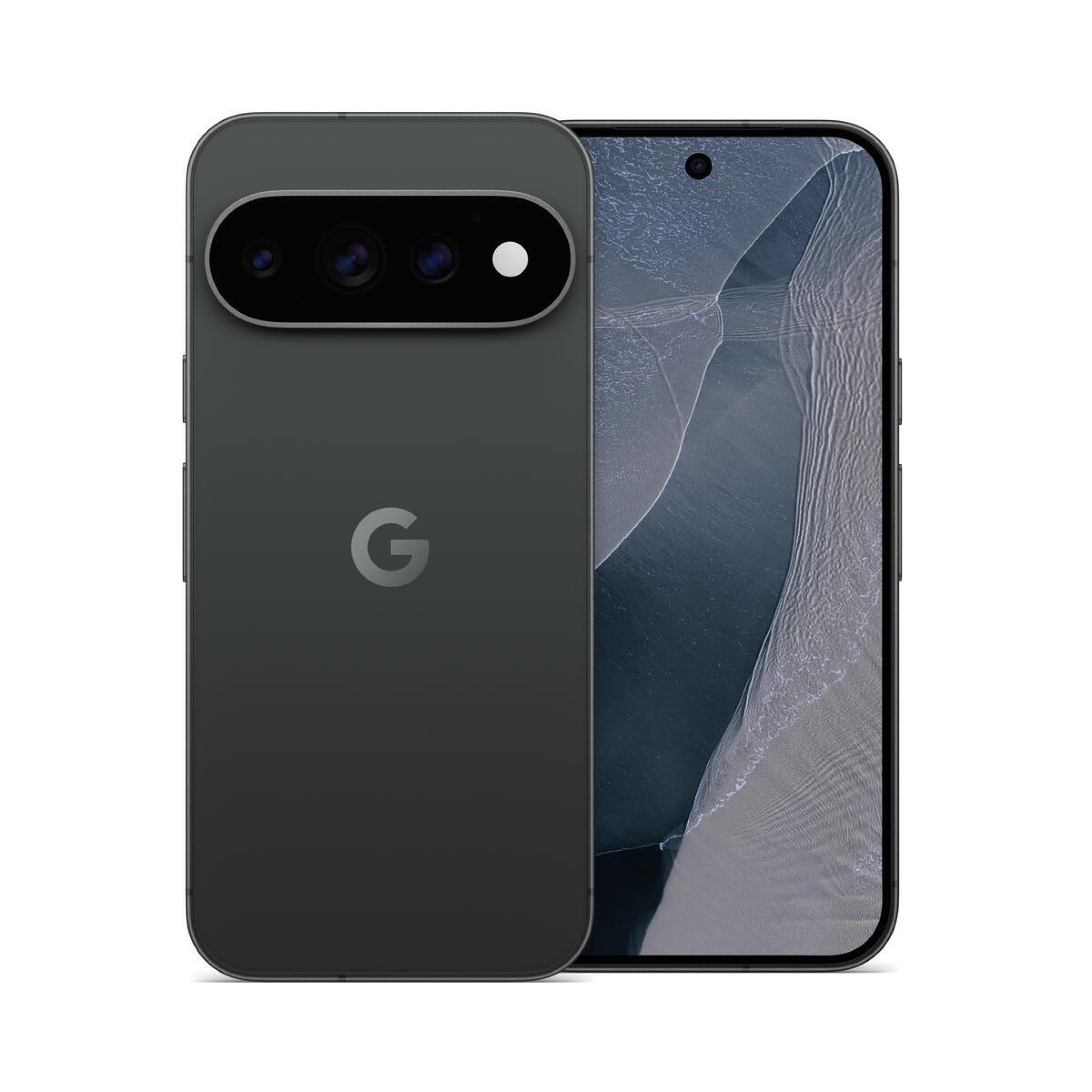
The Pixel 11 Pro is the phone here that goes looking for a shot nobody else can get. A 48MP main camera sits beside a larger telephoto sensor, and the zoom reaches 120x — far beyond the 8x digital reach of the Pixel 10a. Inside a 6.3-inch body, that's the whole pitch: big-camera reach without a big camera bag.

Spend an afternoon with it and the telephoto is what you keep reaching for. Low-light frames from the main lens hold their color, the zoom pulls a readable shot from across a street, and Pixel HiLight glows along the edge of the phone when a favorite contact calls with it face down — a small feature we ended up liking more than we expected. The OLED is crisp at 495 pixels per inch, and Magic Capture pulls a still and a clip out of a single press.

The trade-offs are physical. At 226 g it's noticeably heavier in the hand than the 183 g Pixel 10a, and the 30-plus-hour battery rating is the same one Google puts on the cheaper phone, so you aren't buying longer endurance here. What you're buying is the camera, and for that it's worth the extra weight.

Pros

  • Longest zoom here, at 120x
  • Camera is the strongest dimension in the set
  • Sharp 6.3 in. display at 495 ppi

Cons

  • The 120x figure is digital zoom, not detail
Our verdict

If the camera is what you care about most, this is the phone to buy — the zoom is the best in this group and the main lens holds up in low light.

Check Latest Price
3

Best Foldable

Samsung Galaxy Z Fold8

91 /100
LBD Score Outstanding

Key details

Weight
7.09 oz
Battery
4,800 mAh
Storage
256 GB
Main Display
7.6 in. AMOLED, 120Hz
View on Amazon

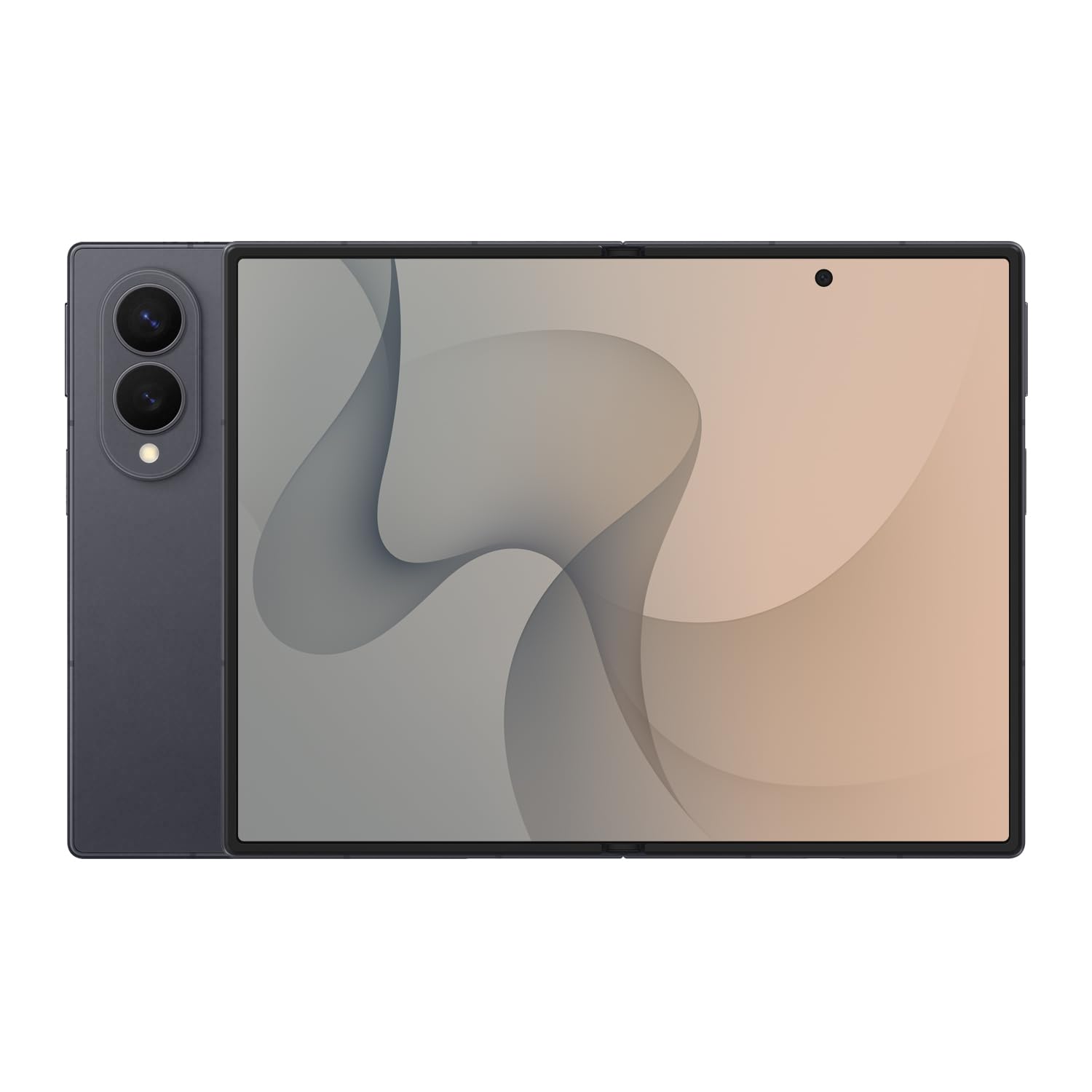
Two hundred and one grams is the number that makes this foldable make sense. Unfolded, the Z Fold8 is a 7.6-inch AMOLED at 120Hz — a tablet for a train seat, a recipe, or maps and messages side by side. Folded, it's a narrow phone that fits a front pocket, and at 201 g it's lighter than the Pixel 11 Pro, which is not a sentence we expected to write about a phone with a hinge.

The hinge work is the other half of it. It closes flat with no gap, and the crease down the middle is there when you look for it and gone when you're reading. Inside, 12GB of RAM and a Snapdragon 8 Elite run two or three apps at once without complaint, and the 4,800mAh battery got us through a day of exactly that kind of use with power to spare.

The cover screen is the adjustment. It's narrow, and for the first few days you'll open the phone for things you normally glance at — that's the trade for a display this size in something this light. Samsung's brightest Galaxy panel is genuinely usable outdoors, which matters more on a big screen than a small one.

Pros

  • 7.6 in. AMOLED at 120Hz inside
  • 201 g, lighter than the Pixel 11 Pro
  • Closes flat with no gap
  • 4,800mAh lasts a day of split-screen use

Cons

  • The most expensive phone in this group
  • Two rear cameras and 10x zoom trail the Pixel 11 Pro
Our verdict

Buy the Z Fold8 if you want a tablet in your pocket and you're willing to pay for it — nothing else here folds this flat or carries this lightly.

Check Latest Price
4

Best Value

Google Pixel 10a

87 /100
LBD Score Excellent

Key details

Battery
4,300 mAh
Display
6.3 in. OLED, 120Hz
Storage
128 GB
Durability
IP68, Gorilla Glass 7i
View on Amazon

Thirty-plus hours is the number on the Pixel 10a's box, and it's the right headline for this phone. A 4,300mAh battery, a 6.3-inch OLED at 120Hz, IP68 water and dust protection, Gorilla Glass 7i and a 48MP camera, for a price well below the two flagships here.

The compromises are honest ones. One rear camera means no telephoto, so 8x digital zoom is all the reach you get, and 128GB is the only storage size with no card slot to fix it later. What survives is what you touch every day: a display that peaks at 3,000 nits and stays readable in direct sun, seven years of Pixel Drops, and the cleanest Android build in this group. Watch one thing — some units arrive that won't activate, so buy where returns are straightforward.

For most people, this is the smarter buy. It's small enough to use one-handed at 183 g, the 48MP main camera handles daylight and dim rooms without fuss, and the battery regularly finished a full day with charge left over. We kept picking it up over phones that cost a good deal more.

Pros

  • 30-plus hour battery rating
  • IP68 and Gorilla Glass 7i at this price
  • 3,000-nit display stays readable in sun
  • Seven years of Pixel Drops

Cons

  • 128GB with no card slot
  • One rear camera, so no telephoto
Our verdict

We think this is the best value in the group: a bright, tough 6.3-inch phone with a genuine 30-hour battery for well under flagship money.

Check Latest Price
5

Best Budget Big Screen

Motorola Moto G Power (2025)

85 /100
LBD Score Excellent

Key details

Camera
50 MP with OIS
Battery
5,000 mAh
Display
6.8 in. OLED, 120Hz
Storage
128 GB, expandable to 1 TB
View on Amazon

A 6.8-inch OLED at 120Hz is the sort of screen that usually arrives with a flagship price attached. Here it comes with 8GB of RAM, a MediaTek Dimensity 6300, 128GB of storage expandable to 1TB, a 5,000mAh battery that charges wirelessly, and a 3.5mm headphone jack. It's the largest conventional display in this group.

That's the trade, and for the money it's a good one. Messaging, maps, streaming and a couple of browser tabs run without complaint. Where it shows its price is under load — we noticed it the moment a game joined a couple of open tabs — and that's the compromise you're accepting. The 50MP camera with optical stabilization is better than the price suggests, and the stereo speakers with real bass make it an easy phone to live with on a commute.

Two things to sort before you order. Check your carrier: Verizon and Total Wireless are where activation has gone wrong, and an unlocked badge is not a compatibility guarantee. Then look at the finish — the vegan leather back and Gorilla Glass look better than a budget phone has any right to.

Pros

  • Largest conventional screen here at 6.8 in.
  • 5,000mAh with wireless charging
  • 50MP camera with optical stabilization
  • microSD expandable to 1TB

Cons

  • Some units drain faster than the 5,000mAh rating suggests
Our verdict

We recommend the Moto G Power to anyone who wants a big, smooth screen, a headphone jack and a stabilized camera on a tight budget — just check your carrier first.

Check Latest Price
6

Compact iOS

Apple iPhone 16e (Renewed)

85 /100
LBD Score Excellent

Key details

Chip
Apple A18
Weight
5.76 oz
Display
6.1 in. OLED, 60Hz
Storage
128 GB
View on Amazon

What arrives is the whole question with a renewed phone, so start there: a 6.1-inch OLED iPhone with an A18 chip, 8GB of RAM and 128GB of storage, typically looking new with battery health at or near 100%. What we liked most here was the condition, because on a renewed device that's the part you can't inspect in a photo.

As a phone, the 16e is the compact option on this page. At 5.76 ounces it disappears in a pocket, the 48MP main camera holds its own in daylight, and Face ID and iOS do what they've always done. The catch is the screen: 60Hz, when every other phone here runs at 90Hz or 120Hz. Side by side, scrolling looks like a step back.

For anyone who wants iOS without paying current-model money, this is the one, and it's a good phone underneath the renewed label. Two details to plan around: there's no physical SIM tray, so activation runs through an eSIM, and scratched screens are the condition issue to watch for. Buy from a seller that states its return window plainly, and check the glass on the first day.

Pros

  • Usually arrives looking new with full battery health
  • A18 chip and 8GB of RAM
  • Compact 5.76 oz body with a 48MP camera

Cons

  • 60Hz display, the slowest here
  • eSIM only, with no physical SIM tray
Our verdict

For iOS on a budget, this is the pick: a compact, near-new iPhone that does everything an iPhone needs to, as long as a 60Hz screen doesn't bother you.

Check Latest Price
7

Basic Backup

Motorola Moto G Play

85 /100
LBD Score Excellent

Key details

Battery
5,000 mAh
Display
6.5 in. LCD, 90Hz
Network
4G LTE
Storage
64 GB, expandable to 1 TB
View on Amazon

The Moto G Play is a 4G phone on a 5G list, and that's the honest place to start. A 6.5-inch 720p LCD at 90Hz, 4GB of RAM, 64GB of storage and Android 13 — buy it for the price and treat the rest as a bonus.

The bonus is bigger than you might expect: a 5,000mAh battery rated at 46 hours of talk time, a microSD slot that takes up to 1TB, a 3.5mm headphone jack and stereo speakers with Dolby Atmos. As a first phone for a kid, a glovebox spare, or a replacement for a landline, that's a sensible package, and the 50MP camera is fine in daylight.

What you're accepting is speed. Four gigabytes of memory puts a ceiling on what this phone can do, and we felt it the moment a couple of browser tabs were open. Before it ships, confirm the return window: units that arrive locked to a carrier are the problem to watch for, and an unlocked listing is only as good as the seller behind it.

Pros

  • Lowest price in this group
  • 5,000mAh battery rated at 46 hours of talk
  • microSD to 1TB and a headphone jack

Cons

  • 4G LTE only, with no 5G
  • 720p LCD is the lowest-resolution screen here
Our verdict

If you need a phone for calls, messages and maps and nothing more, the Moto G Play covers it for the least money here.

Check Latest Price

How We Tested These Phones in Real Life

We built the shortlist from specs first: unlocked handsets confirmed to work on the major U.S. carriers, spread across price tiers, plus one renewed model to see whether buying pre-owned actually saves you anything. From there we filtered by stated durability and water resistance, warranty length, and return window, then ordered eight phones and put each one into someone's pocket for at least three weeks over an eight-month stretch.

Testers unplugged at 7 a.m. and logged battery percentage at lunch, at dinner, and at bedtime, with 45 minutes of turn-by-turn navigation and ten minutes of video recording built into every single day. We timed how fast the camera opened from the lock screen and how quickly maps recovered after switching to music and back, and we wrote down every time a phone got warm in the hand or stuttered mid-scroll. Signal was checked on the same commute route and the same home Wi-Fi, including the handoff between the two, plus call quality and Bluetooth pairing in a car.

Camera testing meant the same low-light dinner table, the same backlit window, and the same street sign shot from across the road on every device. We also handed each phone to a friend with no instructions and watched whether the AI framing and night modes actually helped or just got in the way. For durability, phones rode in pockets alongside keys, got knocked off a counter onto tile, and were wiped down after rain. On the renewed unit we checked the battery health readout, scuffs on the frame, and whether the original cable and paperwork were in the box. Through all of it we kept a running note on value — what each phone delivered against what it asked of us.

How to Choose a Smartphone

Start with battery, then look at what drains it

The milliamp-hour figure is a starting point, not an answer. A 6.8-inch screen and a mid-range chip can drain 5,000mAh faster than a flagship chip drains 4,300mAh, which is why the Pixel 10a's 30-plus hour rating matters more than the raw capacity. Factor charging in too: wireless charging on the Moto G Power is a genuine convenience at its price, while fast wired charging helps more if you top up in short bursts.

If you plan to keep the phone four years or more, assume the battery gets replaced once. Budget for that rather than choosing a phone purely on capacity.

Pick a size you can hold, not just one you can see

Screen size gets the headlines; weight is what you notice at hour three. The 6.3-inch phones here run from 163 g to 226 g, and that spread is the difference between one-handed use and a two-hand device. Big screens earn their place for video and maps, and the 6.8-inch Moto G Power and the Z Fold8's 7.6-inch inner display are genuinely better for that. Just remember a foldable asks you to adapt to a narrow cover screen for quick checks.

Camera money buys hardware, not megapixels

A 48MP sensor and a 50MP sensor are not the comparison you think you're making. What separates phones is the second and third lens: a telephoto gets you close without cropping, while digital zoom is reach, not detail. That's why the Pixel 11 Pro costs more than the Pixel 10a despite a similar 6.3-inch screen. If you mostly photograph people and food at arm's length, one good main camera is enough and the extra lens is money you don't need to spend.

Decide storage once, because you can't add it later

128GB is workable, 256GB is comfortable, and the gap matters more each year as photos and apps grow. Only some phones expand: both Motorolas take a microSD card up to 1TB, while the Pixel 10a, Pixel 11 Pro and Galaxy S25+ have no card slot at all. If you shoot a lot of video or keep a music library offline, that single fact settles the choice before any other specification does.

Unlocked is not the same as compatible

A phone sold as unlocked will accept any carrier's SIM, but that doesn't mean its radios support that carrier's bands or that activation will go smoothly. Compare the seller's band list against your carrier before ordering, and treat eSIM-only phones as a different kind of purchase: switching becomes a call to support rather than a card swap. Buy where the return window comfortably covers the first attempt at activation.

Frequently Asked Questions

Final Verdict

Most people should buy the Samsung Galaxy S25+. It has the sharpest display in this group, a full day of battery, a real telephoto lens and none of a foldable's bulk, and it costs less than the Z Fold8 while giving up very little that shows up in daily use.

If the camera is the reason you're shopping, the Pixel 11 Pro's zoom justifies the extra weight. And if you want a big screen for very little, the Moto G Power does most of what the S25+ does at a fraction of the price — just confirm your carrier first.