Best Overall

ASRock RX 9070 Challenger 16GB
Key details
- Power
- 700W PSU, two 8-pin
- Memory
- 16GB GDDR6, 256-bit
- Card Size
- 290 x 123 x 51 mm
- Boost Clock
- 2520 MHz
Two cards can both say 16GB and behave nothing alike. The Challenger is a Radeon RX 9070 that feeds its memory across a 256-bit bus at 20 Gbps, and that pairing is what you notice at 1440p: maxed textures, high settings, and a frame rate that holds when a scene fills up with geometry instead of sagging. We think it is the right default for someone building around 1440p rather than squeezing 1440p out of the smallest budget.
It is also the easiest of the fast cards to live with. The body runs 290 mm long and 2.5 slots thick, so it clears the front-fan gap in a normal mid-tower and leaves the drive cage alone, and the triple-fan cooler keeps it composed enough to forget about while you play. At 1440p you are sitting close to a high-refresh panel for hours at a time, so a card you stop hearing is worth more than a handful of extra frames.
Power is the practical ceiling: two 8-pin connectors and a 700W recommendation. If your supply is a few years old, count the PCIe connectors before you order rather than after the box lands, because a card that needs a new PSU is a different purchase than the one you budgeted for.
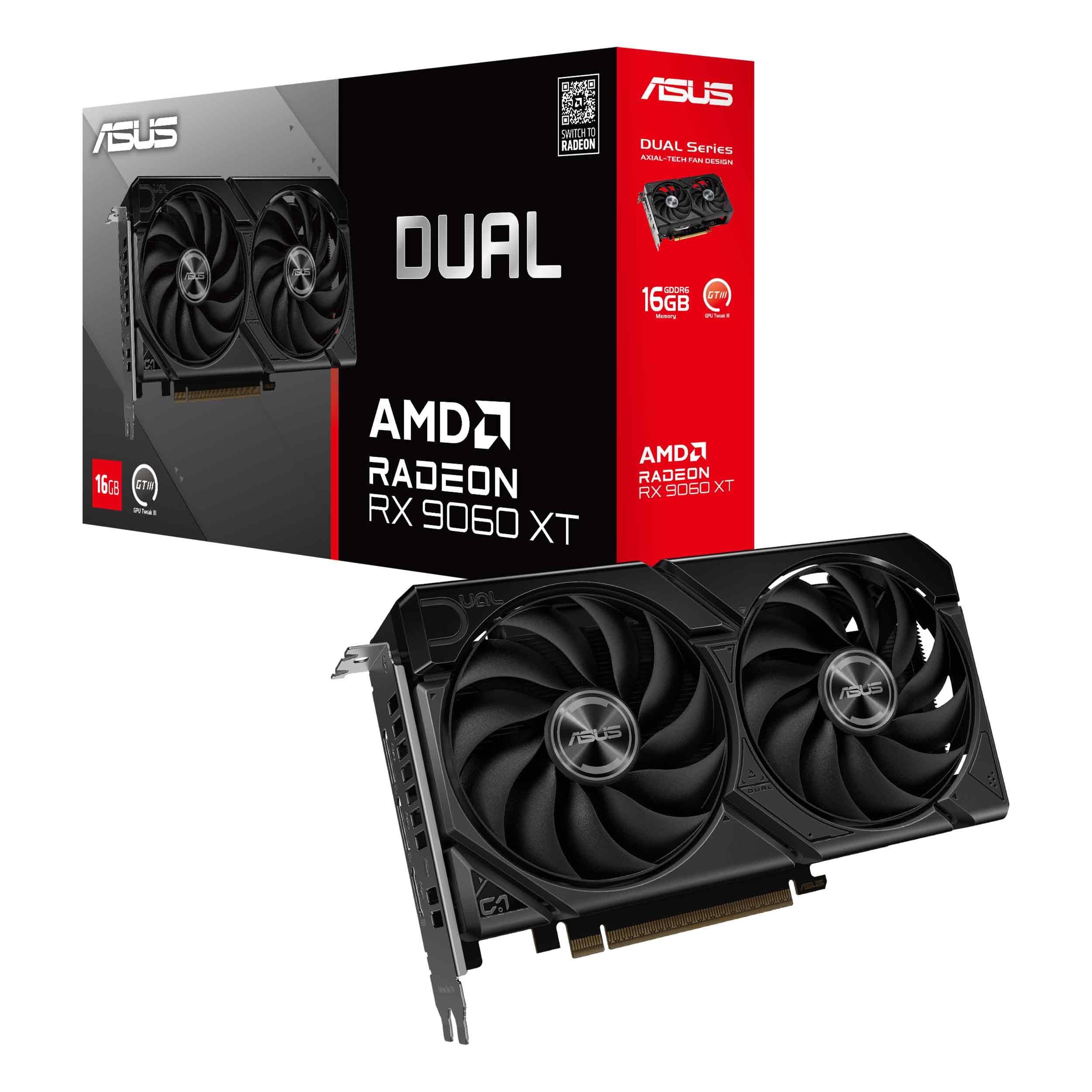
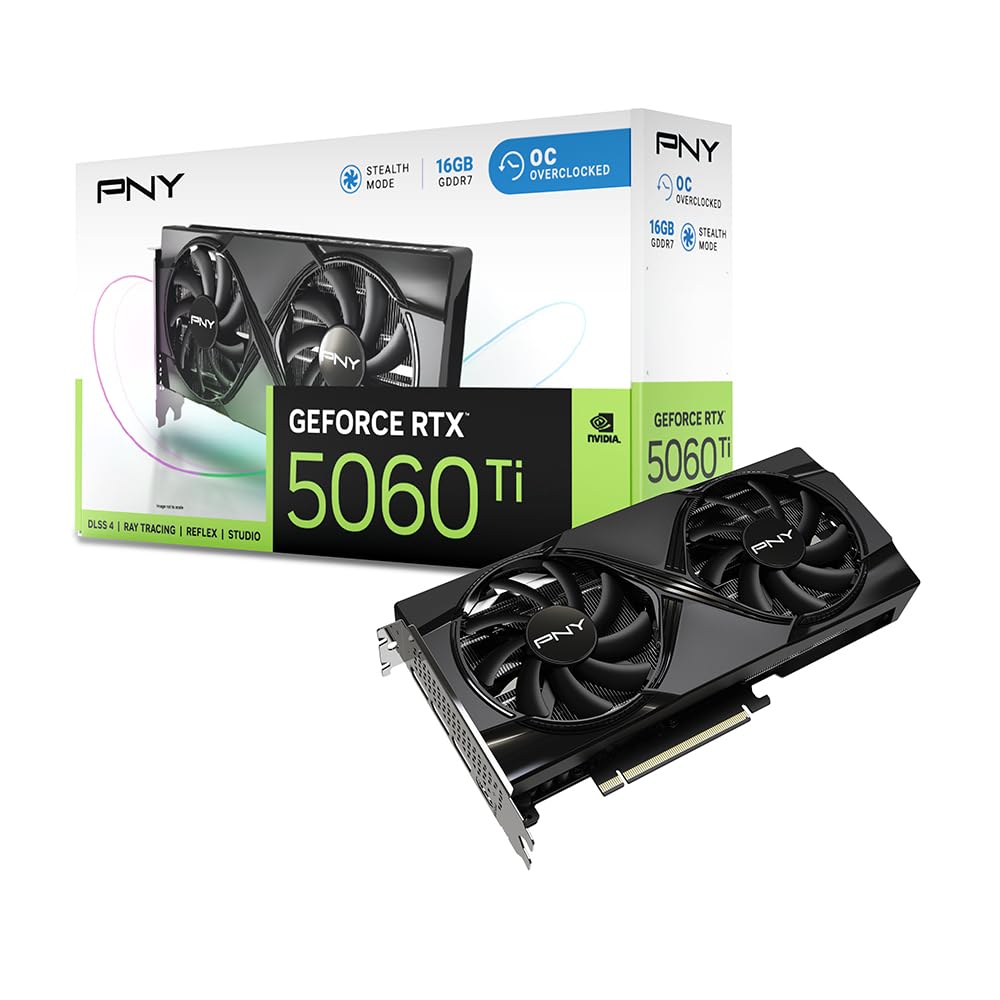
Where it sits in this group is the real argument. The 16GB RX 9060 XT cards here come within a stone's throw of the price for less card, while the RX 9070 XT and the RTX 5070 Ti ask considerably more for frames you mostly see above 100 fps. The Challenger is the point where 1440p stops being a set of compromises, right before the price curve turns steep.
Pros
- 256-bit bus gives 16GB real bandwidth
- Runs cool and quiet through long sessions
- 2.5-slot, 290 mm body fits most mid-towers
- Costs less than the other 9070-class cards here
Cons
- Two-year warranty where most here get three
The card we point most 1440p builders toward: a 256-bit 16GB RX 9070 that runs cool, stays quiet, and slots into a normal mid-tower.