Best Wireless Earbuds of 2026

The earbuds that sound best in a quiet room are rarely the ones that stay put through a sweaty 5K. That split — commuting and calls on one side, hills and intervals on the other — is worth sorting out before you buy, because a pair built for one is usually compromising on the other. Get the fit right and a lot follows: a proper seal means fuller bass, more effective noise cancellation, and fewer dropouts.

I've worn a different pair on nearly every dog walk, flight, and grocery run since spring, and my team has done the same on their commutes; all told, we've lived with 14 pairs over six months. The surprise wasn't which ones sounded best in a quiet room — it was how much of that advantage vanished three miles into a run, when a loose fit let the world back in.

Battery claims deserve a side-eye too, since playtime drops once noise cancellation is switched on, and this year's extras — heart-rate sensing, live translation, spatial audio — are genuinely handy on some pairs and pure box-checking on others. The picks below earned a spot in a pocket, on a treadmill, and in a middle seat.

1

Best Overall

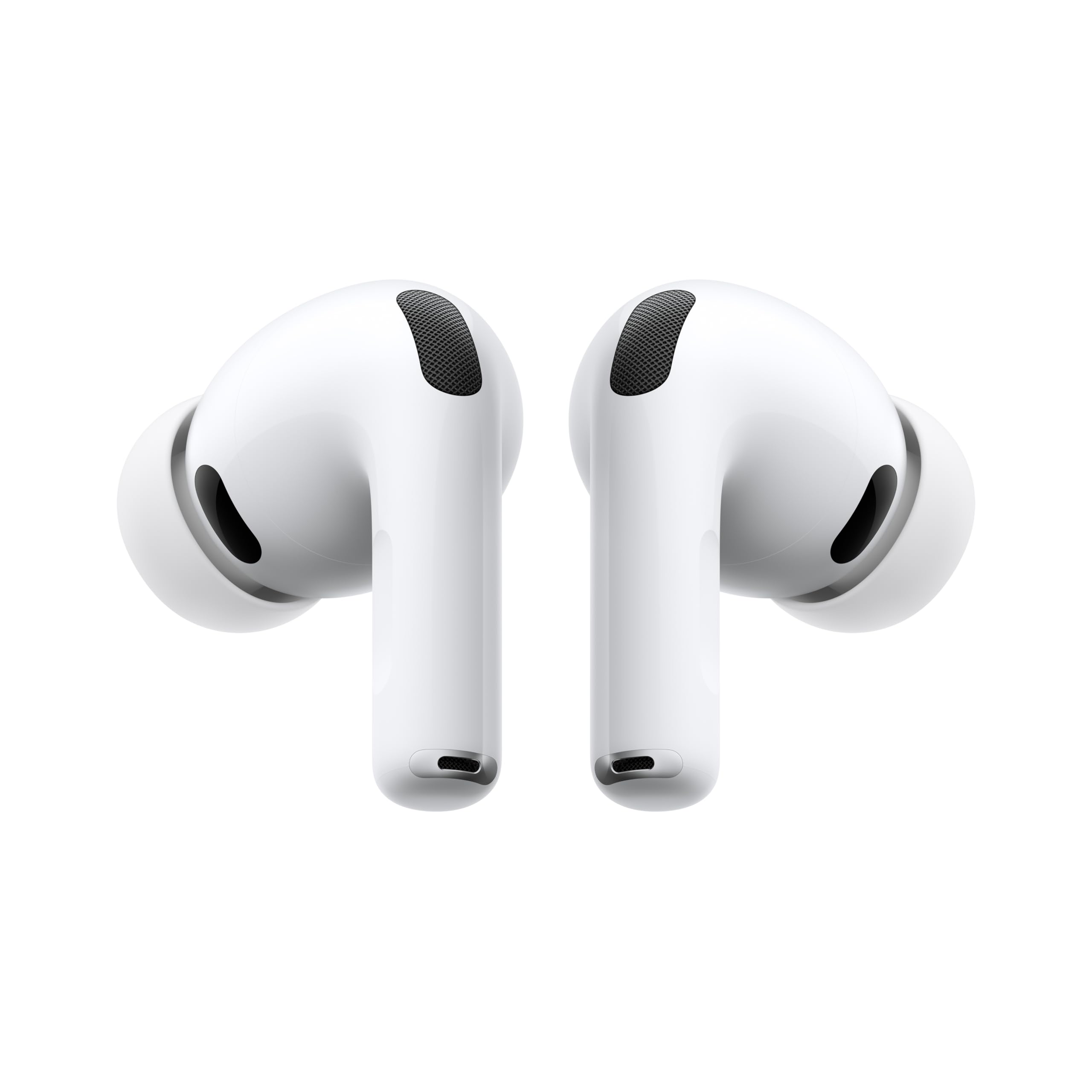
Apple AirPods Pro 3

89 /100
LBD Score Excellent

Key details

Charging
USB-C
Health Features
Heart rate sensing, Live Translation
Battery With ANC
Up to 8 hours
Noise Cancellation
Active with Adaptive Audio
View on Amazon

Switch the noise cancelling on in a loud room and the gap between these and the rest of this list is obvious: the rumble of a cabin, an air handler, the wash of a café all drop away together, and what's left is quieter than you expect. Apple claims the Pro 3 removes up to twice as much noise as the Pro 2, and the effect is the strongest here. The sound underneath earns it too — a rebuilt acoustic architecture gives bass real weight without burying the vocal, and the detail survives at low volume, which is where most earbuds go flat.

Eight hours of listening with the cancelling on is the other number that matters: a full workday of calls and playlists without reaching for the case, or up to 10 hours in transparency if you leave them in with the world audible. The extras are unusually substantial for earbuds, with heart rate sensing across 50 workout types and Live Translation through Apple Intelligence. Nobody buys earbuds for either one, but the heart rate reading is the sort of thing you stop noticing because it's simply there while you train.

The Apple boundary is where the value narrows. Live Translation and the tightest integration run through iPhone, so on Android you're paying for the quiet and the sound and leaving the rest on the table. Longevity is the other thing to weigh: when these fail, it's usually one bud or the case refusing to take a charge, and that's a warranty claim rather than something you can fix.

Charging is USB-C, so the cable already in your bag covers these as well as the laptop, and eight hours between charges makes topping up something you do on your own schedule rather than the buds'. For the quietest, most complete pair of the eight, that's the trade: more money, fewer cables, less noise.

Pros

  • Most effective noise cancelling in this group
  • Eight hours of listening with ANC on
  • Heart rate sensing and Live Translation built in
  • Detail and bass hold up at low volume

Cons

  • Fit runs loose for some ear shapes
  • Priciest pair in this group
Our verdict

Our pick for most people: the most effective noise cancelling in this group, eight hours of it per charge, and sound that holds together at low volume. iPhone owners get the most from them.

Check Latest Price
2

Best for Workouts

Beats Powerbeats Pro 2

84 /100
LBD Score Excellent

Key details

Fit
Secure-fit earhooks
Extras
Heart rate monitoring, Qi charging case
Battery
Up to 45 hours with case
Noise Cancellation
Active with Transparency
View on Amazon

An earhook is the least fashionable thing you can put on an earbud and the most useful thing you can put on one if you run. The Powerbeats Pro 2 hooks over the top of the ear and holds the bud against the canal, so retention doesn't depend on a silicone tip expanding perfectly in your ear. Pull a hood over your head mid-session and the buds are still where you left them, which is the entire argument for the design.

The noise cancelling is tuned for the gym rather than the cabin. It flattens the drone of a treadmill and the clatter of a rack, and transparency is a tap away when a coach or a car needs your attention. We're less convinced by it as an everyday feature: put a pair of AirPods Pro 3 in the same room and the room sounds louder on these. What genuinely earns its place is the heart rate sensor, which tracks straight from the ear with nothing on your wrist and nothing extra to charge.

Comfort is the bill for that grip. The hook presses behind the ear, and if you wear glasses the two compete for the same square inch — a couple of hours is fine, an eight-hour desk day is not. Battery carries the rest of the load: 10 hours in the buds and 45 with the case, and this is the first Beats case that charges on a Qi pad, so topping up is a matter of dropping it on the same mat as your phone.

Pros

  • Earhooks hold the bud through runs
  • 45 hours of total listening with the case
  • Heart rate from the ear, no strap
  • Case charges wirelessly on a Qi pad

Cons

  • Hooks press against glasses frames
  • Weakest value of the picks here
Our verdict

The workout pick: earhooks that keep the bud in place, 45 hours with the case, and heart rate read from the ear. Buy them for training, not for a desk.

Check Latest Price
3

Best Open-Fit Design

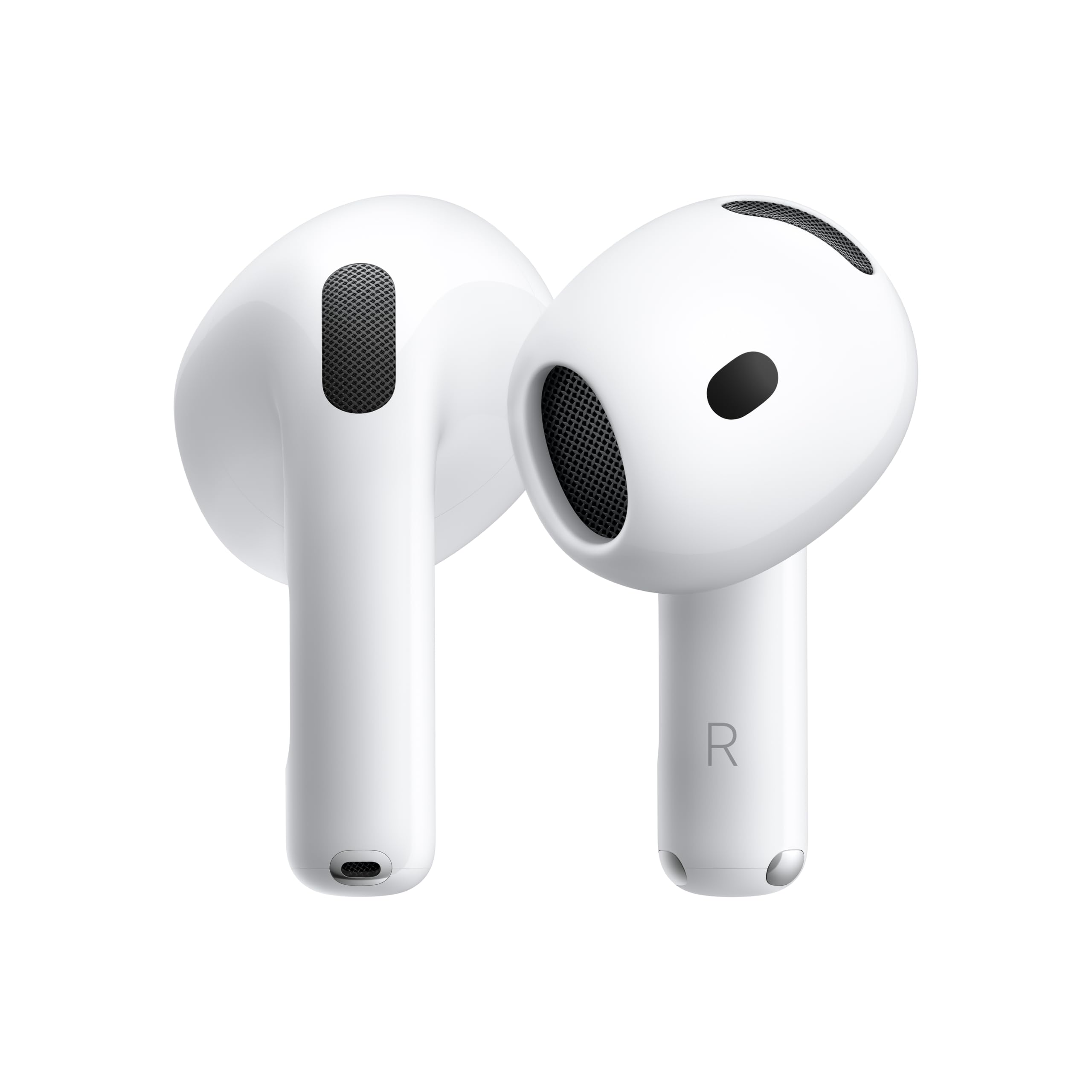
Apple AirPods 5

86 /100
LBD Score Excellent

Key details

Fit
Open design, no ear tips
Chip
Apple H2
Features
Live Translation, Voice Isolation
Noise Cancellation
Active with Adaptive Audio
View on Amazon

The AirPods 5 sit in the gap that used to be empty: active noise cancelling without a silicone tip, for a good deal less than the Pro. That combination is the entire pitch. There's no seal pressing into your ear canal, so there's nothing to get sore after an hour, and the adaptive audio still pulls the room down around you. After a day of back-to-back calls, our ears simply weren't tired, which is not something we can say about most in-ears.

An open design lets sound in, and no amount of processing changes physics. On a train the Pro 3 is genuinely quieter; these take the edge off rather than remove the noise, which is fine for an office and less fine for a flight. Bass is the other casualty — it's present and clean, just not the chest-thump a sealed pair delivers. If tight tips have always made your ears ache, none of that reads as a compromise.

You still get the Apple feature set: Live Translation, the new Siri, Voice Isolation for calls, and the H2 chip doing the work underneath. What to check before buying is retention. An open bud rests in the bowl of your ear rather than gripping it, so they're steady for sitting, walking and working and optimistic for a run.

Pros

  • Noise cancelling without a silicone seal
  • Comfortable over a long day
  • H2 chip with Voice Isolation and Live Translation
  • Cheaper than the Pro model

Cons

  • Open fit lets in more noise than sealed tips
  • Not secure enough for running in some ears
Our verdict

For anyone who hates the feel of silicone in their ears: real noise cancelling, no seal, and Apple's feature set for less than the Pro costs.

Check Latest Price
4

Best Budget Noise Cancelling

soundcore P30i

88 /100
LBD Score Excellent

Key details

Case
Doubles as a phone stand
Battery
Up to 45 hours with case
Water Resistance
IP54
Noise Cancellation
Active, up to 42 dB
View on Amazon

The back panel of the P30i's case flips open into a phone stand. It sounds like a novelty until the first lunch break when you want to watch something without propping your phone against a mug, and then it's the thing you use every day and never mention. The buds are light, three tip sizes come in the box, and they sit deep enough to stay put through a normal walk.

Forty-two decibels is the headline, and like every decibel figure in this category it's measured under conditions you won't reproduce. What matters is the effect: the P30i flattens engine noise, air conditioning and the general rumble of a commute, and it does that better than anything else near its price in this group. Wind is where it comes apart. Walk into a headwind and the microphones fight it, and the cancelling starts to sound like a bad phone call.

This is the pair we hand someone who wants quiet and doesn't want to pay for it, and the case is the honest measure of what that costs. There's no battery readout on it, so you check the remaining charge in the app; the buds run 10 hours (6 with cancelling) and the case takes that to 45. Those are realistic numbers rather than optimistic ones, and they mean a week of commuting between charges.

Connectivity is the thing to watch. Inside, ours held a stable link clear across a room; outside, with the phone in a pocket, it stuttered once. The app gives you EQ presets and control remapping, which is more adjustment than most budget pairs offer, and the 24-month warranty is the longest in this group after TAGRY's claim.

Pros

  • Real active noise cancelling at a budget price
  • Case folds into a phone stand
  • 45 hours total with fast top-ups
  • Comfortable, secure fit with IP54

Cons

  • Wind overwhelms the noise cancelling
  • No battery readout on the case
Our verdict

The best cheap route into real noise cancelling: 42 dB of it, 45 hours with the case, and a case that doubles as a phone stand. Wind is its weak spot.

Check Latest Price
5

Best Cheap Gym Pair

HAOYUYAN BX17

90 /100
LBD Score Outstanding

Key details

Fit
Earhooks with silicone tips
Battery
Up to 80 hours total
Controls
Physical buttons
Water Resistance
IPX7
View on Amazon

There are two kinds of earbud control and only one of them works with gloves on. The BX17 puts real buttons on each bud — press for play, press for volume — and after a winter of fumbling at touch panels on other pairs, that's the detail we appreciated most. The hooks are flexible rather than rigid, so they curl over the ear instead of clamping down on it, and the 0.3-ounce weight is light enough to forget between sets.

Eighty hours is the claim, split as 15 in the buds and the rest in a case with its own LED readout, and the practical version is that you charge it about once a fortnight. IPX7 means a soaking is survivable, which almost nothing else here offers, and the combination of hooks and 14.3mm drivers makes these the pair for mowing, hill sprints and any job where you'd rather not think about your ears.

The trade is refinement. Bass is there and it's loud, the midrange gets crowded when a track gets busy, and there's no active cancelling — the seal and the hooks do the work, which is plenty on a mower and nowhere near enough on a plane. The warranty is the number to weigh against the price: 90 days is short, and if a bud stops holding a charge in month four, you're shopping again rather than claiming.

Pros

  • Earhooks that stay on through sweaty work
  • Physical buttons that work with gloves
  • Up to 80 hours with a dual LED readout
  • IPX7 water resistance

Cons

  • No active noise cancelling
  • 90-day warranty is the shortest here
Our verdict

Earhooks, physical buttons and 80 hours for very little money: the pair to take to the gym and the garden. Not an audiophile's earbud.

Check Latest Price
6

All-Day Battery

TAGRY X08

89 /100
LBD Score Excellent

Key details

Battery
Up to 60 hours playback
Charging Case
Wireless charging with LED display
Noise Control
Call noise reduction only
Water Resistance
IPX5
View on Amazon

A battery percentage on the case sounds like a gimmick until you own a pair without one. The X08 prints two LED readouts on the front, one for the case and one for each bud, so you know before you walk out whether you're carrying a week of playback or an hour. At 60 hours total, the answer is usually a week.

Sound is the surprise. The 13mm drivers carry a bass-forward tuning that suits podcasts, pop and the gym, and there's enough volume headroom that you won't live at maximum. What you don't get is noise cancelling: the microphones reduce noise on calls, and the tips seal well enough to soften an office, but a train carriage sounds like a train carriage.

The case charges on a pad or over USB-C, which is genuinely convenient if a wireless charger already lives on your desk. Controls are touch, and touch on a cheap bud is the usual mixed blessing — a tap pauses the music, and so does a hat brim or a hood. The buds themselves are not small, so if your ears run to the petite side, start with the smallest tips and expect to notice them.

Where the enthusiasm needs tempering is longevity. The X08 is the pair most likely to be bought twice: the failure that turns up is one bud that stops taking a charge, or a case that only works when the cable is seated just so, and the durability picture here is the weakest of the eight. A five-year manufacturer warranty is claimed on the listing, which is either reassuring or a measure of how rarely it gets called on. Keep the receipt either way.

Pros

  • 60 hours with a case that shows charge
  • Wireless charging case
  • Big 13mm drivers with strong volume
  • One-step pairing on opening the case

Cons

  • No active noise cancelling
  • Durability is the weakest in this group
Our verdict

The value play: 60 hours, a case that shows its own battery level, and sound that punches above the price. Expect to replace them sooner than the rest.

Check Latest Price
7

App-Tuned Bass

JBL Vibe Beam 2

84 /100
LBD Score Excellent

Key details

App
Custom EQ and voice prompts
Mics
Four, for calls
Battery
40 hours total (10 + 30)
Noise Cancellation
Active with Smart Ambient
View on Amazon

The first Vibe Beam was a cheap pair of JBL buds with no active cancelling at all. The second generation adds ANC, four microphones for calls and a proper app, and keeps the price where it was — an upgrade in substance rather than a spec-sheet bump.

That cancelling is the mild kind. It removes the hum of a fridge or a fan and takes the top off street noise, but it won't manufacture silence, and with ANC this gentle the difference between the modes can be subtle enough that you check twice it's switched on. Transparency works, the 8mm drivers carry the JBL bass tuning, and the app's custom EQ is where you fix the sound if the default gets tiring.

Battery is the sorted part: 10 hours in the buds and 30 in the case, longer per charge than the AirPods Pro 3, with a 10-minute top-up covering a commute. Fit takes more work. The buds are chunky and the stick design puts most of the grip on the tip, so try all three sizes and expect to go up one from what you'd guess.

What this pair really offers is a way into noise cancelling with a recognizable name behind it, an app that lets you reshape the sound, and voice prompts that tell you which mode you've landed in when a touch control surprises you. Against the soundcore P30i it's a coin toss on features and a loss on quiet; against the AirPods Pro 3 it isn't close on noise. The middle of a group is sometimes exactly the right place to stand.

Pros

  • Active cancelling with Smart Ambient
  • 40 hours with fast 10-minute charging
  • Four mics for clearer calls
  • App EQ and voice prompts

Cons

  • Noise cancelling is on the mild side
  • Bud bodies are large for small ears
Our verdict

A sensible first pair of noise-cancelling earbuds: mild cancelling, big JBL bass, an app that fixes the tuning, and 40 hours with the case.

Check Latest Price
8

Small Pockets

Beats Solo Buds

86 /100
LBD Score Excellent

Key details

Fit
Four ear tip sizes (XS-L)
Battery
Up to 18 hours per charge
Fast Charge
5 minutes for 1 hour
Compatibility
Apple and Android
View on Amazon

Beats quotes 18 hours of listening on a single charge and no additional hours from the case, which is the smallest the company has built. Treat that as a design decision rather than a shortfall: the case disappears into a pocket, and a five-minute top-up buys an hour of playback. The cable becomes part of your week rather than an occasional errand, which is the actual cost of carrying less.

Four tip sizes, from extra-small up, is more than most of this group provides, and the laser-cut vents are there to relieve the pressure that makes an in-ear ache by mid-afternoon. Sound is the Beats tuning: forward, punchy, and prone to losing composure when a bassline gets busy. Fit is the deciding factor. These sit shallow, and shallow suits some ear shapes and not others — wear them for an evening before you decide which camp you're in.

There's no active noise cancelling, which is the honest gap at this price: the seal does what a seal can do, and a bus is still audible through a podcast. What you're buying is a genuinely pocketable pair that behaves the same on an iPhone and an Android phone, with microphones that handle a phone call better than the price suggests, and 18 hours is enough for anyone who charges their phone every night anyway.

Pros

  • Smallest case of any pair here
  • Four ear tip sizes including extra-small
  • Five minutes of charge for an hour of play
  • Full features on Apple and Android

Cons

  • 18 hours total is the lowest here
  • No active noise cancelling
Our verdict

The pocket pair: the smallest case here, four tip sizes and 18 hours that covers a week of commutes. No noise cancelling, and fit is a gamble.

Check Latest Price

How We Tested 14 Pairs of Wireless Earbuds

We built a long list from spec sheets and retailer listings, then narrowed it by design (in-ear versus earhook), by whether active noise cancellation was on board, and by whether the maker had a track record of building a pair that lasts. Fourteen made the cut, and we used each one for six months.

Every pair went into the same rotation: a daily transit commute, at least one long run or gym session, a full workday of calls and video meetings, and a weekend away where the case rode loose in a bag. We kept a log for each one — what we did, what annoyed us, what broke — rather than trusting the spec sheet.

We listened to the same three tracks and one podcast on every pair, then walked a busy street and rode a train with cancellation on, noting whether the low rumble disappeared or just got quieter. Fit was judged by how far we got before pushing a bud back in, and whether our ears ached after two hours. We recorded the same voicemail through each set of mics and played it back on a laptop. Battery was timed, not trusted: cancellation on, volume fixed, stopwatch running. Each pair was also connected to a phone and a laptop at once, with dropouts counted on a crowded platform, and the cases rode loose in a bag for a week to see what scuffed.

The newer extras got the same scrutiny — heart-rate readings checked against a chest strap, spatial audio tried on a film, live translation tested on a noisy corner — and every pair came out in the rain or on a sweaty run at least once before being dropped from waist height onto pavement.

How to Choose Wireless Earbuds

Fit Comes First, and It Isn't Negotiable

In-ear buds fail in one of two ways: they work loose, or they press somewhere that aches after an hour. Both are decided before you order. Sealed tips, like the AirPods Pro 3 and the soundcore P30i, give you bass and noise cancelling but demand the right tip size. Earhooks, like the Powerbeats Pro 2 and the HAOYUYAN BX17, trade a little comfort for grip. Open designs, like the AirPods 5, don't seal at all, which is exactly why they don't press.

The trap is buying on a description of the sound. A bud that doesn't seal loses its bass and most of its noise cancelling no matter what the listing claims, and no equalizer fixes a gap. Order from a seller with a real return window, then wear them for a full evening and try every tip size before you decide.

Understand What Noise Cancelling Actually Cancels

Active noise cancelling is strongest on steady, low-frequency sound: engines, air conditioning, the drone of a plane. It is weakest on wind, speech and anything sudden. That's why a bud quoting a big decibel reduction and a pair of AirPods can feel similar in a quiet office and nothing alike on a flight. The seal counts as much as the electronics, because the microphones can only build on the isolation they're given.

Decide about transparency mode at the same time. The honest way to wear cancelling earbuds outdoors is to be able to hear traffic, and every pick here offers a mode for it. The JBL Vibe Beam 2 shows what mild cancelling feels like; the AirPods Pro 3 show the other end of the range.

Read Both Battery Numbers

Every pair here quotes two figures: hours in the buds, and hours with the case. The second is the marketing one. The number that shapes your week is the single charge, because that's what decides whether a long call ends early. Noise cancelling eats into it too — the soundcore P30i drops from 10 hours to 6 with ANC running.

If you wear buds at a desk all day, buy on the single-charge figure and keep a cable nearby. If you commute, buy on the case total: 45 hours or more means charging roughly weekly, while 18 hours means charging whenever you remember.

Match Water Resistance to What You'll Actually Do

IPX4 shrugs off sweat and light rain. IPX5 handles a proper soaking. IPX7 survives a dunk in fresh water, which is the rating to want if you run in the wet or work outside — the HAOYUYAN BX17 carries it. None of those ratings cover a shower, a pool or soap, because the test is fresh water at a set depth for a set time.

For the gym, resistance matters less than grip. An earhook or a deep-seated tip is what keeps the bud in place once you're sweating, and a loose fit won't be rescued by any rating on the box. Match the hardware to the movement, then check the number.

Calls, Controls and the Case You'll Live With

Call quality comes down to microphones and where they sit. Four mics on the JBL Vibe Beam 2, two with AI processing on the soundcore P30i, and the gap is obvious on a windy street. Controls divide just as sharply: touch panels look cleaner and misread a hat brim, a hood or a raindrop, while physical buttons like the ones on the HAOYUYAN BX17 work through gloves.

The case is the part you carry every day, so check three things before you commit: whether it charges the buds at all, whether it shows you how much power is left, and whether it actually fits the pocket you plan to put it in.

Frequently Asked Questions

Final Verdict

If we're buying one pair for everything — commutes, calls, and the gym we keep promising to attend — it's the AirPods Pro 3. The noise cancelling is the most effective in this group, there are eight hours of it per charge, and the sound holds together when you turn it down. iPhone owners get the whole feature set; Android owners get the quiet and lose the rest.

Run regularly and the Powerbeats Pro 2's hooks justify their price. Need the budget to stay small and the commute to stay quiet and the soundcore P30i is the pair that does it.