Best Android Phones of 2026

Shopping for an Android phone is mostly guesswork, because the spec sheet says almost nothing about year three. A phone can have a gorgeous display and still die by 4 p.m., or arrive stuffed with AI features you'll open twice and forget. What decides whether you keep liking it is duller: does the battery last a full day, does the camera get the shot in a dim restaurant, and will it still be getting security updates two years from now?

I've carried plenty of loaner phones and handed most back within a week. We took 10 out of a field of dozens and lived with each for eight months — commutes, weekend trips, terrible lighting — then passed them to friends on other carriers to confirm calls, texts, and tap-to-pay actually worked. Battery life and screen quality separate the field fast. AI tools and long-term reliability take longer to judge.

One thing buyers get backwards: people compare megapixels and then get blindsided by a phone that stops getting updates or drops calls in their living room. Everything below was judged on daily use rather than the numbers on the box.

1

Best Overall

Samsung Galaxy S26 Ultra

92 /100
LBD Score Outstanding

Key details

Memory
12GB / 256GB
Battery
5,000 mAh
Display
6.9-inch QHD+ AMOLED, 120Hz
Rear Cameras
200MP main, four total
View on Amazon

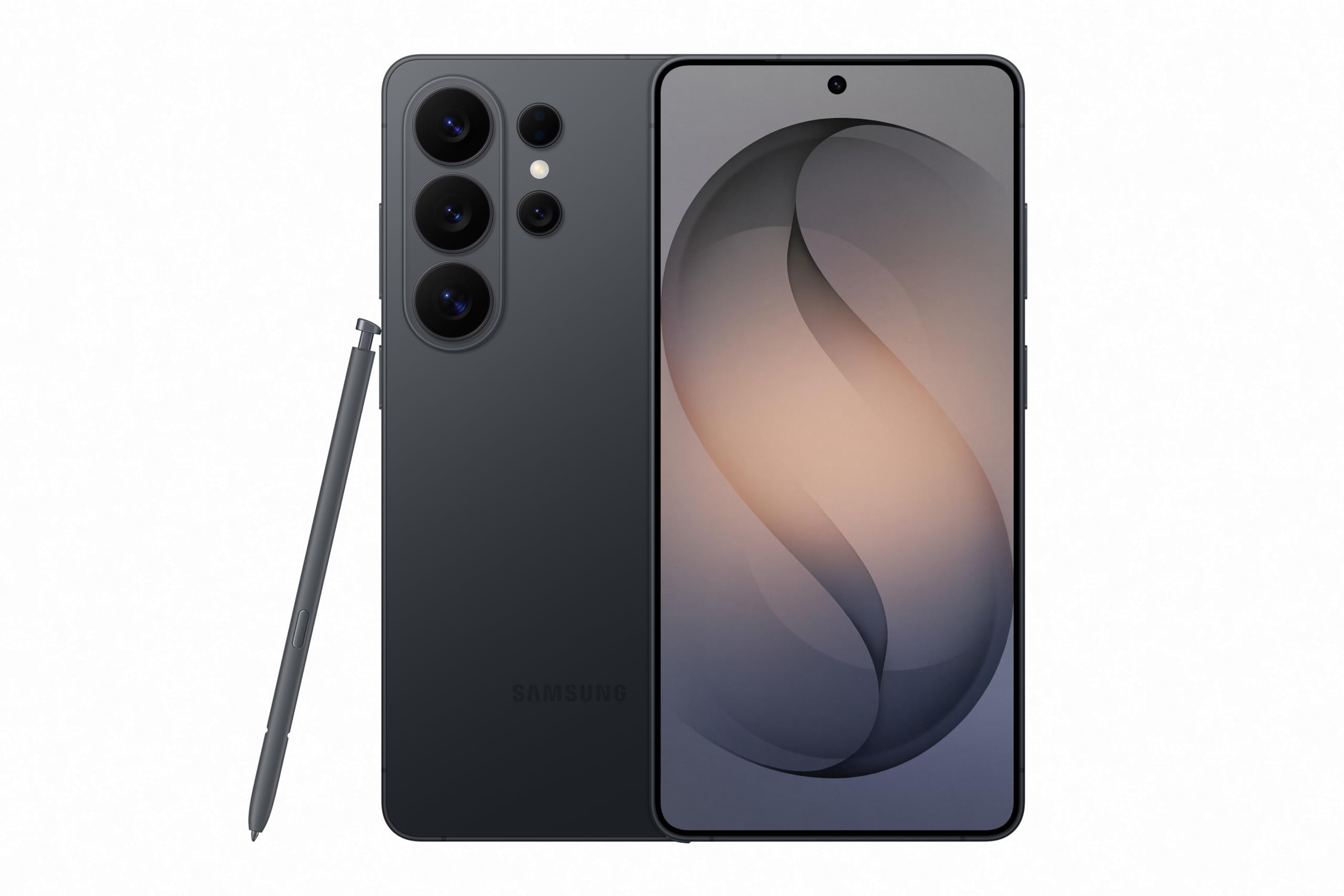
Turn on the privacy display and the screen narrows its viewing angles on purpose, so the person beside you sees a gray panel while you keep reading. It's the first thing we demonstrate to anyone who asks about this phone, and it's the rare flagship feature that keeps earning its keep — passwords in a coffee shop, a boarding pass on a packed flight, anything you'd rather not hand to a stranger's peripheral vision.

That trick sits on top of the best hardware in this guide: a 6.9-inch QHD+ AMOLED at 120Hz, a 200MP main sensor backed by three more rear cameras, 12GB of RAM, and 256GB of storage. In our testing nothing we threw at it produced a stutter, and it's the one phone here we never caught thinking. The S Pen still slides into the body, which matters if you annotate documents or sketch out ideas.

The camera is the other reason to spend up. Four rear lenses give you a zoom range the Pixel 10a simply cannot reach, and Nightography is the mode we kept coming back to after dark, when the smaller sensors in the budget picks give up. If you photograph kids, pets, or anything that refuses to sit still, the extra reach and stabilization do real work.

Two things to accept first. The 5,000mAh cell is the same size as the batteries in phones that cost a fraction of this one, so a heavy day of photos and video can still end near a charger. And it is by a wide margin the most expensive slab in this guide; the Pixel 10a handles the everyday job for far less, and the Fold8 costs more again only because it folds.

Pros

  • Privacy display genuinely blocks side-angle viewing
  • 200MP main camera plus three more rear lenses
  • 12GB of RAM keeps everything instant
  • S Pen included in the box

Cons

  • 5,000mAh battery matches budget phones rather than beating them
  • Highest price in this guide by a wide margin
Our verdict

We recommend the S26 Ultra to anyone who wants the most capable Android phone here and can absorb the price: the camera range, the privacy display, and the memory headroom lead this group.

Check Latest Price
2

Best Value

Google Pixel 10a

87 /100
LBD Score Excellent

Key details

Battery
4,300 mAh
Display
6.3-inch OLED, 120Hz
Rear Camera
48MP
Software Support
7 years of Pixel Drops
View on Amazon

At 6.3 inches and 183 grams, the Pixel 10a is the only phone here that disappears into a jacket pocket and stays usable with one thumb. We handed it to people who normally carry much bigger phones, and the reaction was the same each time — relief.

That size is exactly why it's the phone we point most people toward. The Actua display peaks at 3,000 nits, which is the difference between squinting at a map in direct sun and simply reading it, and the 120Hz refresh keeps scrolling smooth. Add IP68 water and dust protection and Gorilla Glass 7i, and you've got a small phone you don't have to baby. Nothing on it feels like the budget option it is.

The rest of the package is built for the long haul: Google's Tensor G4 with 8GB of RAM, a 48MP rear camera with Camera Coach tips and Gemini built in, and seven years of Pixel Drops, longer than anyone else here commits to. It's sold unlocked and lists support for Google Fi, Verizon, T-Mobile, and AT&T. Battery is rated at 30+ hours from a 4,300mAh cell; on the days we used it normally, it ended the evening with charge left.

Setup is the one place things can go sideways — a phone that won't finish activation is the one recurring failure we've seen on this model — so buy it somewhere with a return window you can live with, and finish activation before you recycle the old handset. If you want a telephoto lens or a big canvas for video, this isn't that phone.

Pros

  • One-hand size at 183 grams
  • 3,000-nit display stays readable outdoors
  • Seven years of Pixel Drops
  • IP68 water and dust protection

Cons

  • Storage tops out at 128GB with no card slot
  • Single rear camera, no optical zoom
Our verdict

Our value pick: the Pixel 10a gives you clean software, a dependable camera, and seven years of updates in a body you can actually work one-handed.

Check Latest Price
3

Best Budget

Motorola Moto G Stylus 5G (2024)

89 /100
LBD Score Excellent

Key details

Memory
8GB / 128GB
Stylus
Built-in
Battery
5,000 mAh
Display
6.7-inch pOLED, 120Hz
View on Amazon

A stylus that lives inside the phone sounds like a gimmick until you're sketching a layout in a meeting instead of hunting for paper. The Moto G Stylus 5G's pen slots into the body, and at this price it's the only phone here that has one at all.

Everything around the stylus is better than the money suggests: a 6.7-inch pOLED at 120Hz, 8GB of RAM, 128GB of storage with a microSD slot, a 50MP main camera with optical stabilization, a 5,000mAh battery with 30W TurboPower charging, and a headphone jack. It even lists wireless charging, which we did not expect at this end of the market.

That combination is why it's our budget pick. Eight gigabytes is the number that keeps a cheap phone usable in year three, and most phones at this price make do with half that. The 120Hz OLED is the other surprise — text stays crisp while you scroll, and brightness holds up outdoors, which is not something every budget handset manages.

What you give up is camera range: one rear lens, so no telephoto, and low-light shots land a step behind the Pixels. For notes, daylight photos, music through the headphone jack, and a memory card full of movies, it's plenty — and it leaves a lot of money in your pocket compared with everything else on this page.

Pros

  • Built-in stylus for notes and sketches
  • 8GB of RAM at a budget price
  • 120Hz pOLED display
  • microSD slot and headphone jack

Cons

  • Wi-Fi connectivity can be hit or miss
  • Update support will end sooner than on the Pixels
Our verdict

Our budget pick: a built-in stylus, a 120Hz OLED, and 8GB of RAM for less than anything else in this guide.

Check Latest Price
4

Best Display

Nothing Phone (4a) Pro

85 /100
LBD Score Excellent

Key details

Memory
12GB / 256GB
Battery
5,080 mAh
Display
6.83-inch AMOLED, 144Hz
Rear Cameras
Triple, 50MP main with OIS
View on Amazon

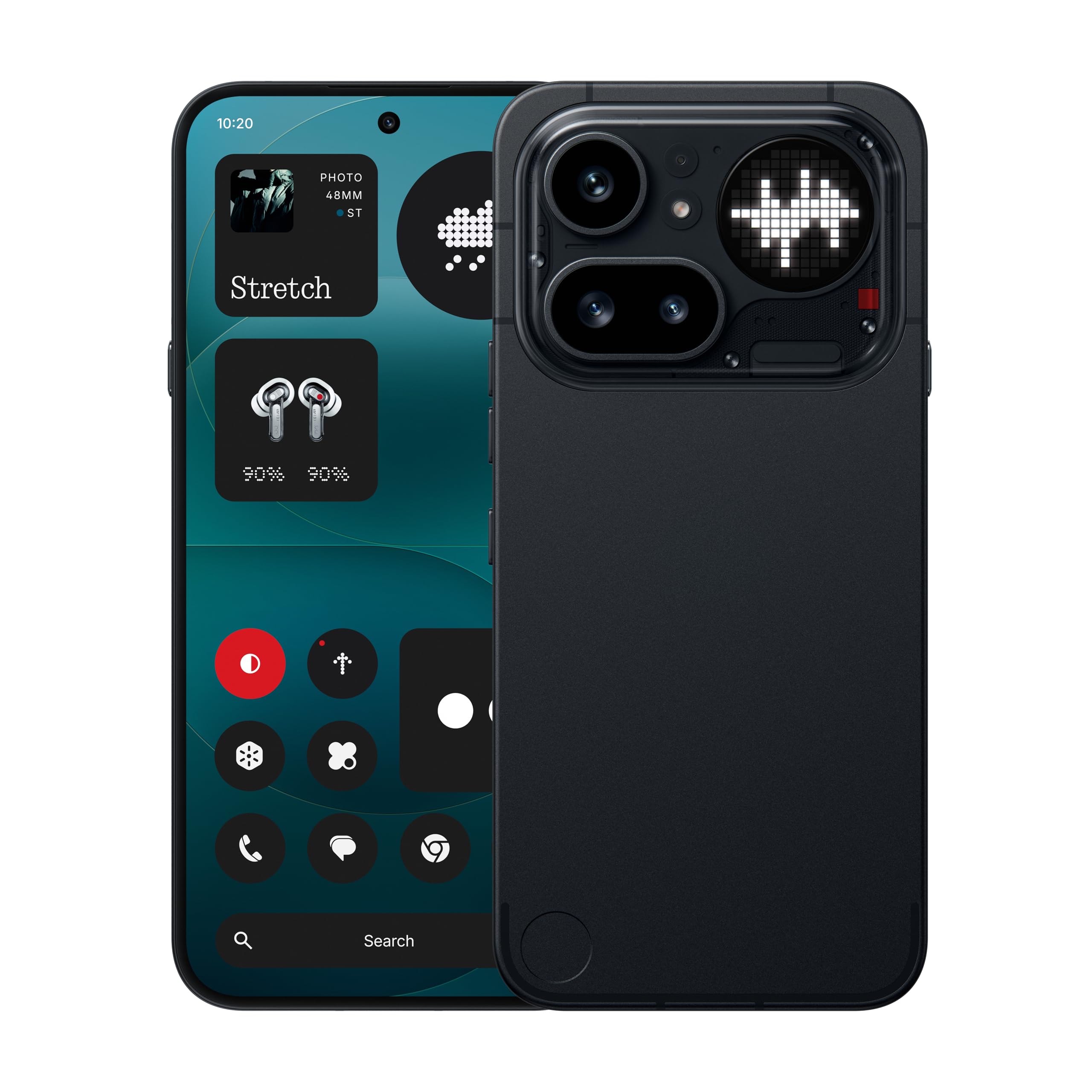
Twelve gigabytes of RAM, 256GB of storage, and a 144Hz AMOLED would have read as flagship specs not long ago; Nothing puts all three in a mid-range phone. On paper that's the best hardware-per-dollar in this guide, and in hand it doesn't feel like a compromise — the metal unibody has real heft and the 6.83-inch 1.5K panel is the brightest screen here at a claimed 5,000-nit peak.

The Glyph Matrix is the part you either love or ignore: 137 mini-LEDs on the back that light up for notifications and act as a tiny secondary display. We expected to switch it off after a week and never did. The box also includes a case, a screen protector, and a USB-C cable, which makes this the only phone here that arrives ready to use.

The Snapdragon 7 Gen 4 and 5,080mAh battery get through a day of streaming and maps without drama, and the triple camera's 50MP Sony main sensor with OIS turns in daylight photos that hold up next to the flagships. Fast charging is rated at 50W, and there's a headphone jack, which is becoming a rarity at any price.

The compromise is speed: switching between heavy apps can stutter briefly, the price of a 7-series chip instead of an 8-series. And check your carrier before you order — this phone sells unlocked, but its band list is shorter than Samsung's, so match your network's 5G bands against the spec sheet first.

Pros

  • 144Hz 1.5K AMOLED at 6.83 inches
  • 12GB of RAM and 256GB of storage
  • Glyph Matrix secondary display
  • Case, screen protector, and cable included

Cons

  • Occasional lag switching between heavy apps
Our verdict

The best display and memory you can get for mid-range money, provided your carrier's bands are on its list.

Check Latest Price
5

Best Foldable

Samsung Galaxy Z Fold8

91 /100
LBD Score Outstanding

Key details

Weight
7.09 oz
Battery
4,800 mAh
Display
7.6-inch foldable AMOLED, 120Hz
Rear Cameras
Dual 50MP
View on Amazon

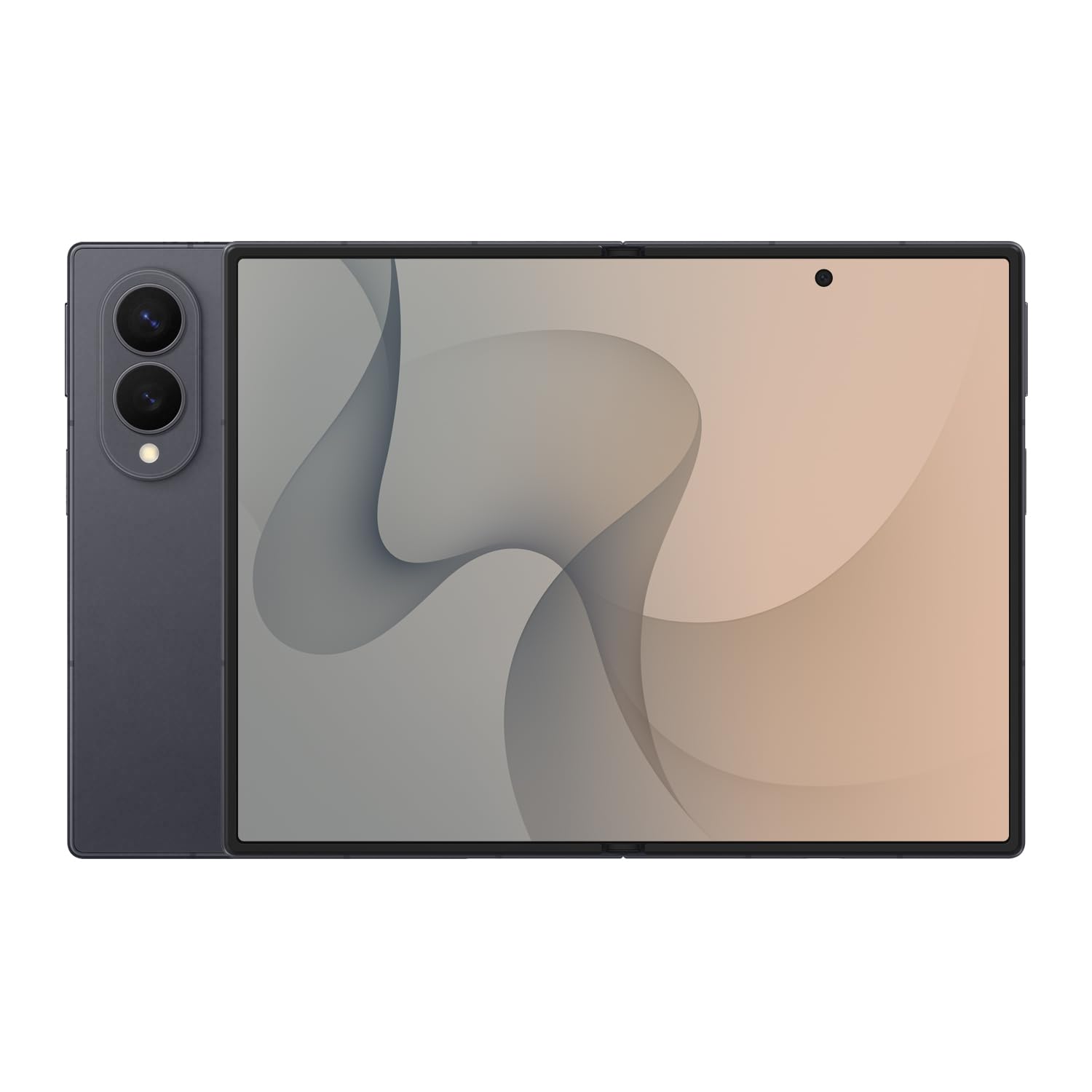
The Fold8 is the only phone here that changes size in your hand. Closed, it's a narrow phone that fits a front pocket; open, the 7.6-inch AMOLED turns a newspaper page or a spreadsheet into something you read instead of pinch. We found ourselves opening it for reasons that had nothing to do with work — a two-page PDF, a photo we wanted to see properly.

At 201 grams it's lighter than its size suggests, and it folds completely flat with no gap, which is the detail that separates a foldable you tolerate from one you carry every day. The Snapdragon 8 Elite and 12GB of RAM keep split-screen work smooth, and 512GB of storage means you won't be managing space.

This is the pick for someone who reads, watches, or works on their phone more than they photograph with it. The inner screen is the brightest Samsung puts on a Galaxy phone, and the shorter, wider shape when closed is easier to hold than the tall slabs here — a few days in, the S26 Ultra started to feel unnecessarily long.

Battery is the number to watch: 4,800mAh is a smaller cell than the Ultra's, and it has a bigger screen to light, so a long day of reading and video will want a charger nearby by evening. Watch for the same thing on any foldable you consider — the extra glass and hinge leave less room for battery, not more.

Pros

  • 7.6-inch inner screen folds flat
  • 201 grams is light for a foldable
  • 12GB of RAM and 512GB of storage
  • Brightest Galaxy phone display

Cons

  • Camera range trails the S26 Ultra
  • The priciest phone in this guide
Our verdict

The foldable to buy if you want a tablet in your pocket; camera range and price are the trade you make for it.

Check Latest Price
6

Pixel Zoom, More Storage

Google Pixel 11

84 /100
LBD Score Excellent

Key details

Memory
12GB / 256GB
Weight
7.2 oz
Display
6.3-inch OLED, 120Hz
Rear Camera
48MP with 30x Super Zoom
View on Amazon

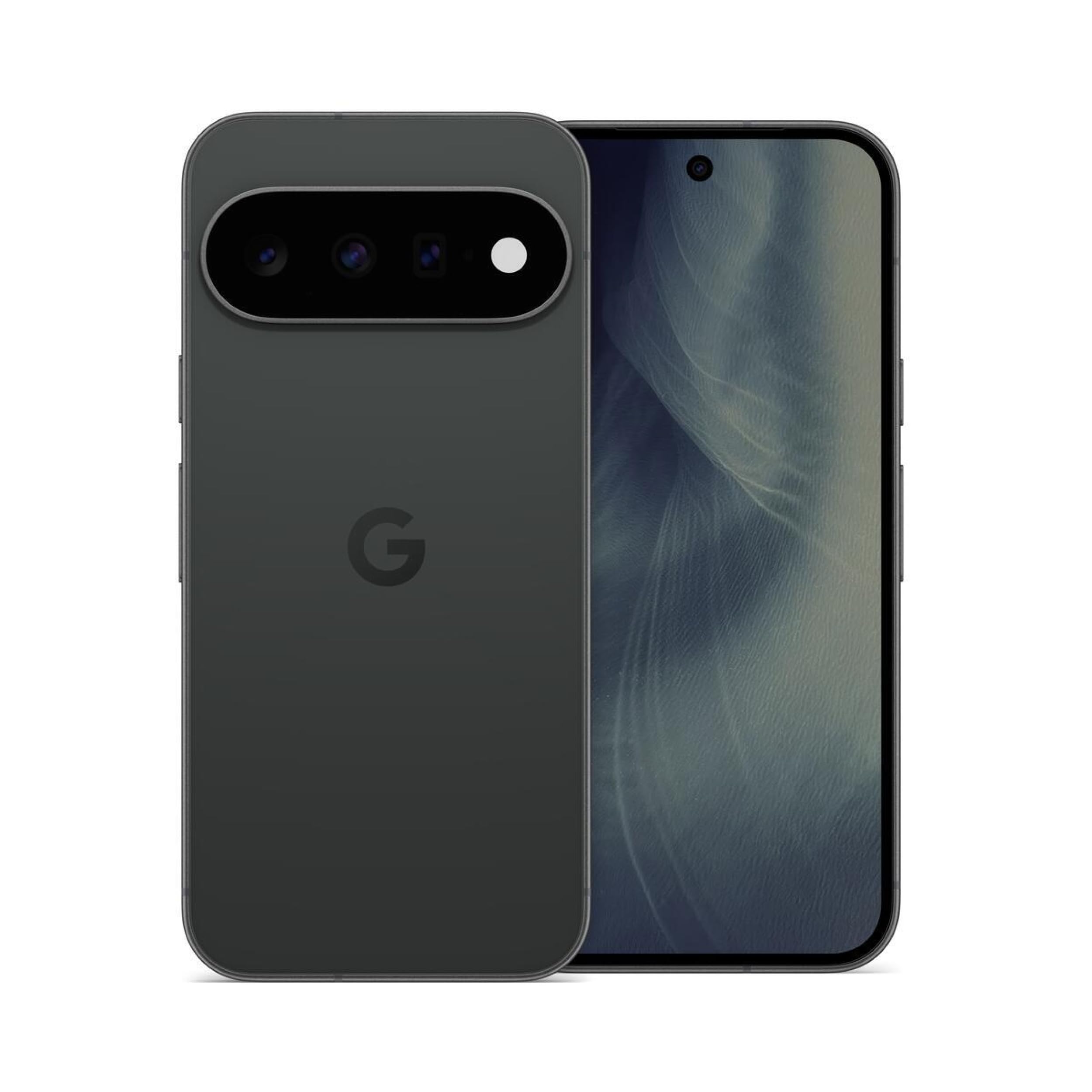
The Pixel 11 sits in the awkward middle of this list: more memory and storage than the 10a, a longer zoom, and a price that brings the flagships into view. We think it earns a place for one buyer in particular — someone who wants Pixel software and real telephoto reach without paying flagship money.

The hardware is a genuine step up: 12GB of RAM and 256GB of storage, an upgraded 30x Super Zoom with Night Sight, the slimmest camera bar yet in its class, and a 6.3-inch 120Hz Actua display with IP68 protection. At 204 grams it's still a one-hand phone, which is more than the Ultra can claim.

Battery is where the pitch wobbles. Google rates it at 30+ hours and says wireless charging is 25% faster than before, but a headline figure like that assumes light use; days full of games or video will have you charging nightly. The software is the part we trust most — the streamlined Google interface is the easiest Android to learn on this page.

The honest summary is that 256GB of storage is the feature that ages best here, and it's the main reason to choose this over the 10a. If storage isn't your constraint, the smaller Pixel is the smarter spend, and the S26 Ultra is the better phone if the camera is what you care about.

Pros

  • 256GB of storage and 12GB of RAM
  • 30x Super Zoom with Night Sight
  • 204 grams keeps it a one-hand phone

Cons

  • Costs noticeably more than the Pixel 10a
Our verdict

A sensible step up from the 10a if you want 256GB and the 30x zoom, though the value case is thinner than the Pixel below it.

Check Latest Price

How We Tested 10 Android Phones Over Eight Months

We started with the unlocked Android phones actually sold in the U.S. this year — dozens of them — and cut the list with three practical filters: whether the phone works on all three major carriers (including eSIM and Wi-Fi calling), whether the manufacturer commits to years of software and security updates, and whether the price made sense for what you get. That left 10 phones.

Each tester used one as a daily driver for eight months. We unplugged at 7 a.m. and logged screen-on time, navigation, streaming, and photos until the phone died, then timed a 30-minute charge and measured how much battery drained overnight with the always-on display enabled. We scrolled and swiped on each screen in direct sun and watched the same video clips side by side to compare color and smoothness.

For cameras, everyone shot the same assignments: a dim restaurant table, dusk on a walk, a moving dog, a backlit selfie, and a concert where the lights changed every second. We noted whether the AI editing tools cleaned up an image or smeared faces, and whether the final photo was one we'd actually post. Reliability got the boring tests — swapping SIMs between carriers, restarting mid-call, tracking app crashes, checking when the last security patch landed, and a few pocket-height drops onto carpet and asphalt.

We also checked fit in daily life: whether each phone still charged on a wireless pad with a thick case on, and how it felt in a front pocket after an hour of walking around.

How to Choose an Android Phone

Verify the network before anything else

Unlocked means no carrier lock, not guaranteed coverage on every network. Before you order, pull your carrier's supported LTE and 5G bands and check them against the phone's spec list, and confirm whether your line lives on a physical nano-SIM or an eSIM, because the two are not interchangeable on every handset.

The trap is assuming an unlocked phone will handle Wi-Fi calling or 5G on a smaller carrier. It usually will, but verify rather than hope. Keep the box until your first call connects; a failed activation is the one problem you want a return window for.

Match memory to how long you plan to keep it

Android gets heavier every year, and RAM is what decides whether a phone still feels quick in year three. Four gigabytes is the number that turns a phone sluggish as soon as a few apps are open; eight is the floor we look for now, and twelve buys headroom for gaming and heavy split-screen use.

The processor matters less than the combination. A mid-range chip with 8GB of RAM, like the Moto G Stylus, feels better day to day than an older flagship running short on memory.

Choose a screen size you can hold

Flagships now run 6.7 to 6.9 inches, and a phone that big is a two-hand device for most people. If you read one-handed on a commute, a 6.3-inch model like the Pixel 10a gets used more than a bigger phone you leave in a bag. Panel type matters as much: OLED gives real blacks and better outdoor brightness than LCD, and 120Hz scrolling is hard to give up once you've lived with it.

The spec to avoid is a 720p panel stretched across a 6.7-inch screen; text looks soft beside a 1080p display at the same size.

Budget for storage and update years

128GB is still the standard starting point, and it fills faster than people expect once you shoot 4K video and keep a few games installed. A microSD slot, which the Moto G Stylus has, helps with photos and media but not with apps.

The other half of the cost is time. Google commits to seven years of Pixel Drops for the Pixel 10a, and other makers publish their own windows, so check the model's support page before you buy. A cheap phone with two years left is worse value than a mid-range one with seven.

Treat battery and charging claims as starting points

Almost every phone here carries a 5,000mAh cell, so capacity alone tells you very little; screen size, brightness, and the chip decide what that number delivers. Charging speed is the more useful comparison, since 30W to 50W gets you a usable top-up in half an hour.

Expect any '30+ hours' figure to assume light use. Buy a USB-C PD charger rated for your phone's maximum wattage, because the adapter is almost never in the box.

Frequently Asked Questions

Final Verdict

Across everything we tested, the Galaxy S26 Ultra is the best Android phone here. The camera range, the privacy display, and 12GB of RAM put it ahead of every other pick, and the included S Pen is still the reason some people won't look anywhere else.

For most people, though, the Pixel 10a is the better purchase: a one-handed size, a dependable camera, and seven years of updates at a price that doesn't sting. Buy the Ultra for the camera and the stylus; buy the 10a for everything else.